Home Battery FAQ: Capacity, Backup, Chemistry and Warranty Answered
The questions every battery buyer asks , how much capacity you need, whole-home backup, single vs three-phase, LFP safety, rebates and what a good warranty looks like , answered in plain English.
Whichever home battery you are weighing up , GoodWe, Sigenergy, Bluetti, EcoFlow, ESY SUNHOME or SolaX , the same questions come up. The brochures answer them one brand at a time; this guide answers them once, so you can compare like for like. For the marketing numbers on the front page (200%, 1C, "under 4 ms"), read battery spec sheets decoded alongside it.
How much capacity do I actually need?
Capacity is measured in kilowatt-hours (kWh) , how much energy the battery holds. A typical Australian home uses 15–20 kWh a day, and roughly 8–12 kWh of that falls in the evening and overnight when your panels have stopped producing. As a rule of thumb, around 10 kWh covers most homes' evening and overnight. Go bigger if you are all-electric, run ducted air conditioning, have a pool, or charge an EV; go smaller if you are out most evenings.
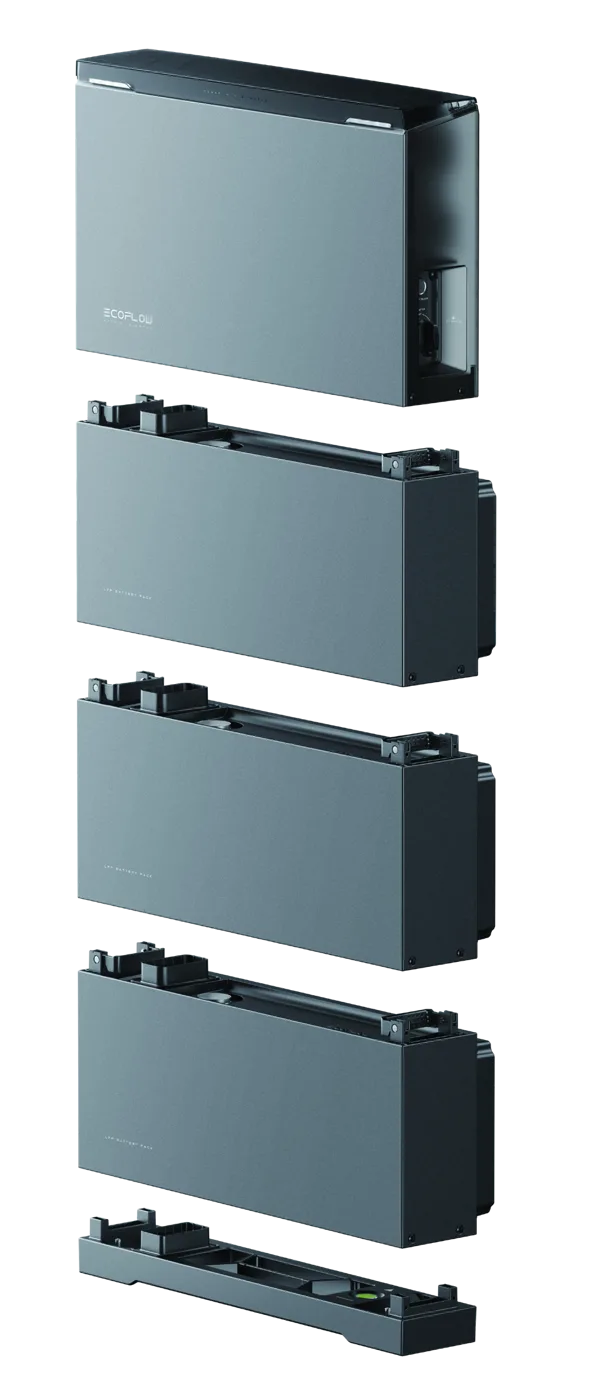
Most modern systems are modular: you might start with a single 5–9 kWh module and stack up to 100+ kWh later. That matters more than the headline maximum , buy for the home you have now, add modules when you get an EV or a heat pump. Ask whether new modules can be added to an existing stack, and whether module sizes can be mixed.
What is "depth of discharge", and why is 100% good?
Depth of discharge (DoD) is how much of the rated capacity you can actually use. A battery rated 10 kWh at 90% DoD gives you 9 kWh of usable energy; at 100% DoD you get the full 10 kWh. Modern LFP home batteries typically run at 90–100% DoD. Always compare usable kWh, not the rated headline , two "10 kWh" batteries can differ by a full kilowatt-hour once DoD is applied.
Can a battery back up my whole home during a blackout?
Sometimes , it depends on two things. First, switchover speed: a battery with backup disconnects from the grid and takes over in as little as under 4 milliseconds, fast enough that computers do not reboot and the fridge never notices (a generator takes 10–30 seconds). Second, how much gets backed up. Many systems back up a few essential circuits only. Whole-home backup needs enough bypass current (a figure like 63 A) and, in a three-phase home, a system designed for three-phase backup. Raise this early , it is a design decision, not an afterthought.
Is the battery single-phase or three-phase , and does it matter?
It must match your home's supply. Most existing homes are single-phase; larger and newer homes are often three-phase. The nuance is backup: in a three-phase home, loads are spread across all three phases, so whole-home backup needs a three-phase-capable system. If you are not sure which you have, our guide to single-phase vs three-phase power shows you how to check your switchboard , and an installer confirms it during the site assessment.
What chemistry do these batteries use, and is it safe?
Almost every current residential battery uses LFP (lithium iron phosphate / LiFePO₄), the most thermally stable mainstream lithium chemistry and far less prone to thermal runaway than the older NMC chemistry in some early home batteries. Beyond the chemistry, look for AFCI (arc-fault detection that cuts DC fires before they spread) and the certifications: IEC62619 and IEC63056 for the battery, plus the Australian RCM mark. Anything sold and installed legally here should carry them.
How long will it last, and what should the warranty say?
Quality LFP modules are rated for 8,000–10,000 cycles , at roughly one cycle a day, well over two decades. A good warranty has three numbers, not one: years (commonly 10), retained capacity (e.g. at least 70% of usable energy after 10 years), and throughput in MWh (e.g. 3 MWh per kWh of usable capacity), whichever comes first. Your Australian Consumer Law guarantees apply on top of any manufacturer warranty.
Am I eligible for a battery rebate?
Often, yes , it depends on current government incentives and your state and household circumstances. Rather than take a headline claim at face value, have your installer check eligibility and fold any available rebate into your quote and payback estimate. Our home battery rebate guide covers what is on offer in 2026.
Can it go outside, and will I hear it?
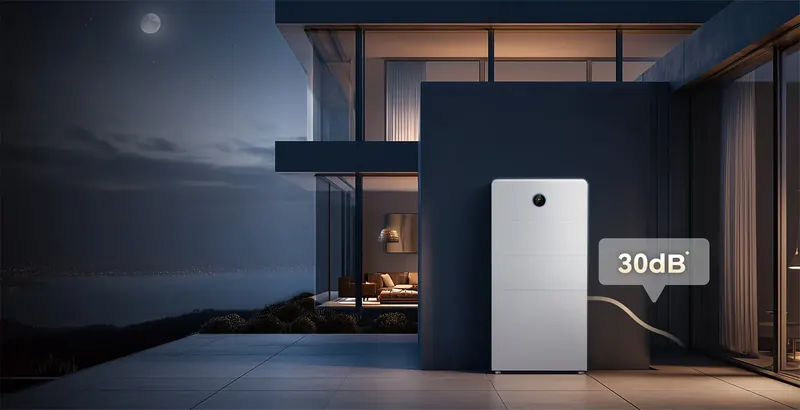
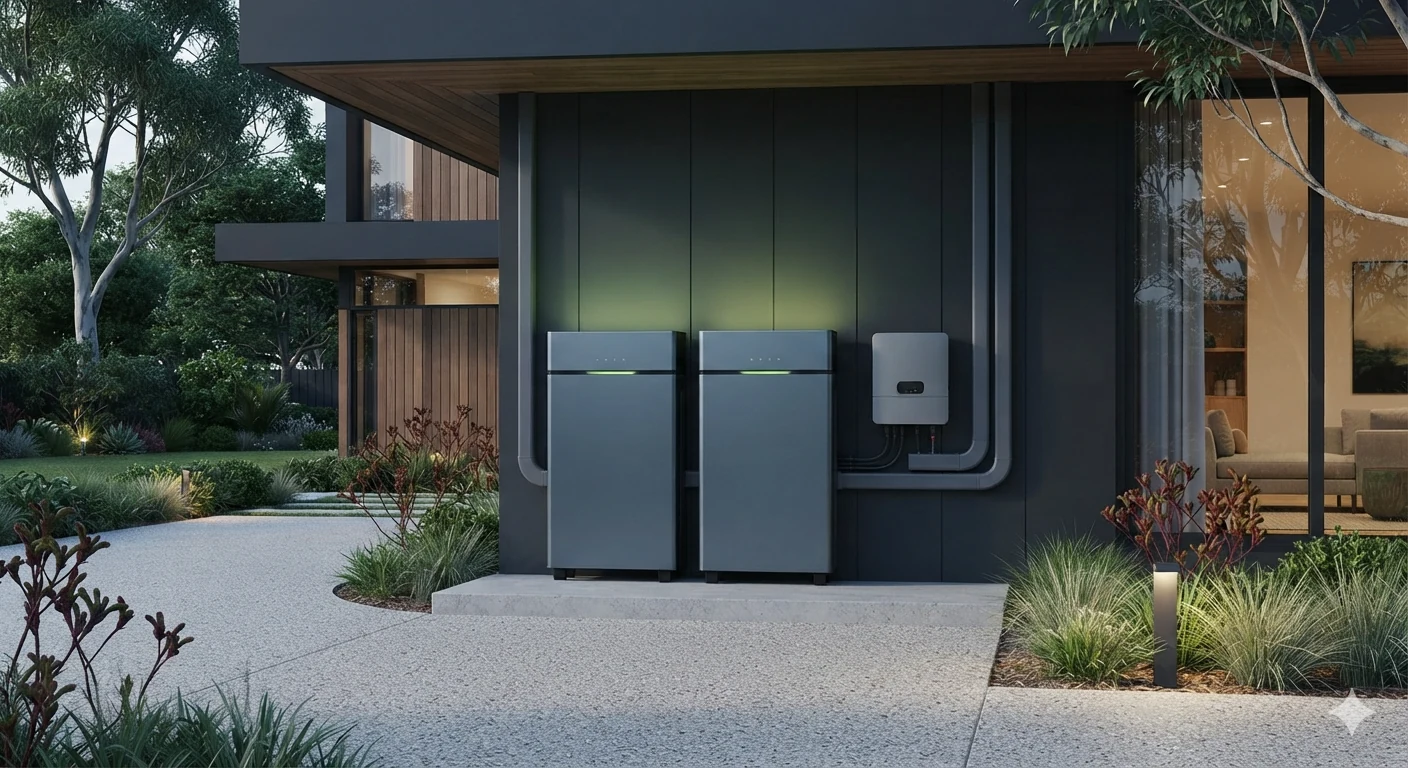
Most home batteries carry an IP65/IP66 rating , dust-tight and protected against water jets , so they mount outdoors on a wall without an enclosure, saving garage space. Noise is worth checking if the unit goes near a bedroom or living area: a quiet system runs around 30 dB (a library whisper), versus 40–45 dB for a domestic fridge. Because decibels are logarithmic, that gap is bigger than it sounds.
Can I add a battery to my existing solar?
In most cases, yes. A hybrid or AC-coupled battery integrates with an existing solar array; your installer assesses your current inverter and switchboard and recommends the best configuration. If you are still choosing, our how to choose a solar battery guide walks through the decision from scratch.
Still comparing models? Browse home battery systems or talk to Sunbridge , we size a system against your actual bill and usage data, not a brochure.
Thinking about solar, a battery or an EV charger?
Get a tailored quote , we'll design the system around your home, usage and rebates.