How Much Does a Home Battery Cost in Australia? (2026 Prices)
Real 2026 price ranges for home batteries , cost per usable kWh, what a typical 10 kWh system lands at after the federal discount, what moves the price up or down, and how payback actually works.
"How much does a battery cost?" is the first question every buyer asks, and the hardest to get a straight answer on. This guide gives you the real market ranges as at mid-2026 , per usable kilowatt-hour and for a typical 10 kWh system , plus what pushes a quote up or down, and how to think about payback. Figures are a market guide, not a quote; every home prices differently once backup, phases and switchboard condition are on the table.
The quick answer
As at mid-2026, quality installed home battery systems in Australia typically price at $900–$1,300 per usable kWh before the federal discount, with budget hardware from around $700 per kWh. The federal Cheaper Home Batteries discount takes roughly $250 per usable kWh off the first 14 kWh, so most homes end up paying about $650–$1,050 per usable kWh out of pocket.
In system terms: a typical 10 kWh battery lands around $8,000–$10,000 installed before the discount, and roughly $5,500–$7,500 after it. Across the whole market , from a small 5 kWh unit to a large three-phase stack , installed prices before rebates run from about $4,500 to $18,000+.
Why "per usable kWh" is the number to compare
Battery quotes come in every shape, so put them on one scale: divide the installed price by the usable kilowatt-hours (rated capacity × depth of discharge , our guide to battery spec sheets explains the difference). Two "10 kWh" quotes can differ by a full kilowatt-hour of usable energy. Comparing per usable kWh also reveals the scale effect: because the inverter, wiring and labour are largely fixed, bigger stacks cost less per kWh , one reason an oversized-later modular system often beats buying small twice.
What you are actually paying for
- The battery modules , the cells themselves, usually LFP chemistry in current systems.
- The inverter , either built into a hybrid unit or separate; it sets charge/discharge power and backup capability.
- Installation , mounting, DC/AC wiring, protection devices, commissioning and compliance paperwork by accredited electricians.
- Backup provisioning , a backup gateway or essential-circuits board work if you want power through blackouts.
- Site specifics , switchboard upgrades, long cable runs, three-phase balancing, or metering changes where needed.
The federal discount in 2026
The Cheaper Home Batteries Program applies nationally as an upfront discount on your invoice. Since 1 May 2026 it is tiered by battery size , strongest on the first 14 kWh, where it is worth roughly $250 per usable kWh (about 25% off a typical system) , and it is legislated to step down again on 1 January 2027, so the same battery costs more next year. NSW homes connecting to a Virtual Power Plant can stack the state's Peak Demand Reduction Scheme incentive of up to $1,500 on top.
What moves the price up or down
- Brand tier and warranty , premium systems carry longer, deeper warranties and better support; that is real value, not just margin.
- Whole-home vs essentials backup , backing up everything needs higher bypass current and, on three-phase homes, a three-phase-capable system. It is the single biggest quote variable after size.
- Retrofit vs installed with solar , adding a battery to an existing solar system can need an extra inverter or compatibility work; bundling battery and panels in one install shares the fixed costs.
- Switchboard condition , older boards may need an upgrade before a battery can legally connect.
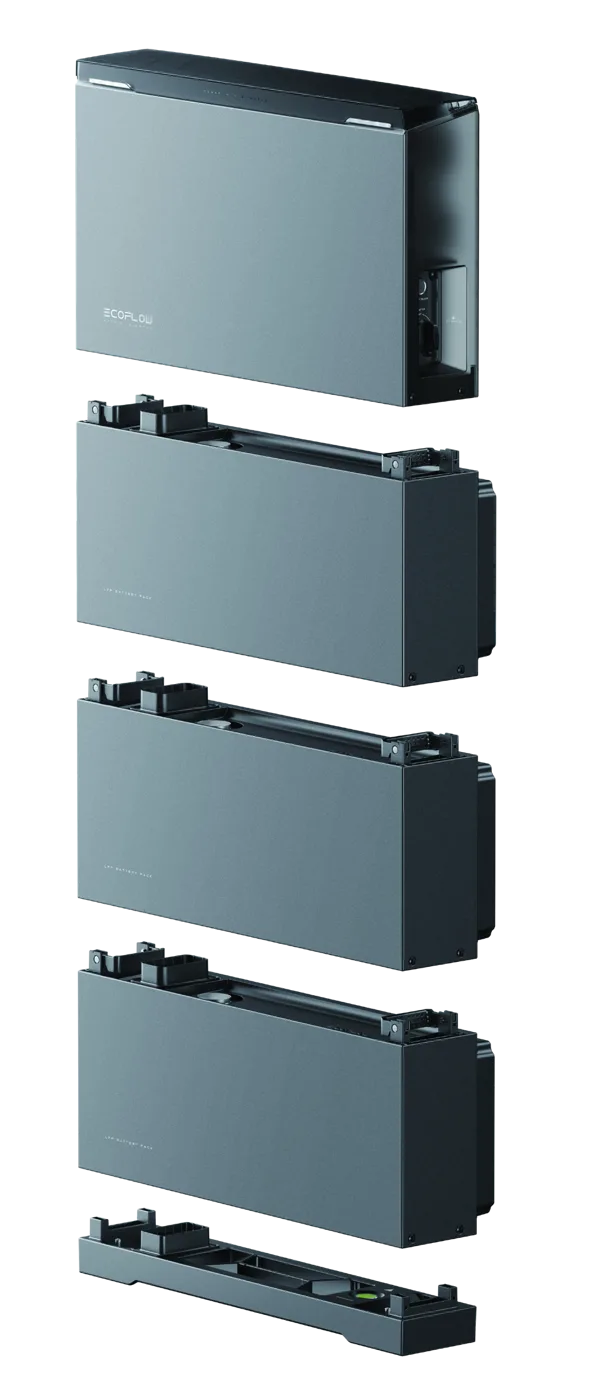
- Modularity , expandable systems cost slightly more upfront and much less when you grow them later.
How payback works
A battery earns its keep three ways: self-consumption (storing solar you would otherwise export for a few cents and using it in the evening instead of buying peak power), tariff arbitrage (on a time-of-use plan, charging cheap and discharging through the peak window), and VPP income where you opt in. For a home with evening-heavy usage, solar on the roof and a time-of-use tariff, typical paybacks in 2026 work out around 6–10 years , inside the warranty period of a quality system. The maths is specific to your tariff and usage pattern, which is why we model it per home rather than promising a number.
A word on cheap batteries
The gap between a $700/kWh and a $1,200/kWh system is usually cycle life, warranty depth, backup capability and whether anyone answers the phone in year eight. Whatever you buy, check it is on the Clean Energy Council approved battery list (required for the federal discount) and installed by accredited electricians. Our guide on how to choose a solar battery covers the shortlist process.
Get a real number for your home
Ranges get you oriented; a quote gets you a decision. Sunbridge checks your usage, tariff, phases and switchboard, applies the current rebate position for your address, and prices the system to your home , see our home battery range or our rebate guidance to start.
Thinking about solar, a battery or an EV charger?
Get a tailored quote , we'll design the system around your home, usage and rebates.