
Time-of-Use vs Flat-Rate Plans: Which Tariff Suits Your Home
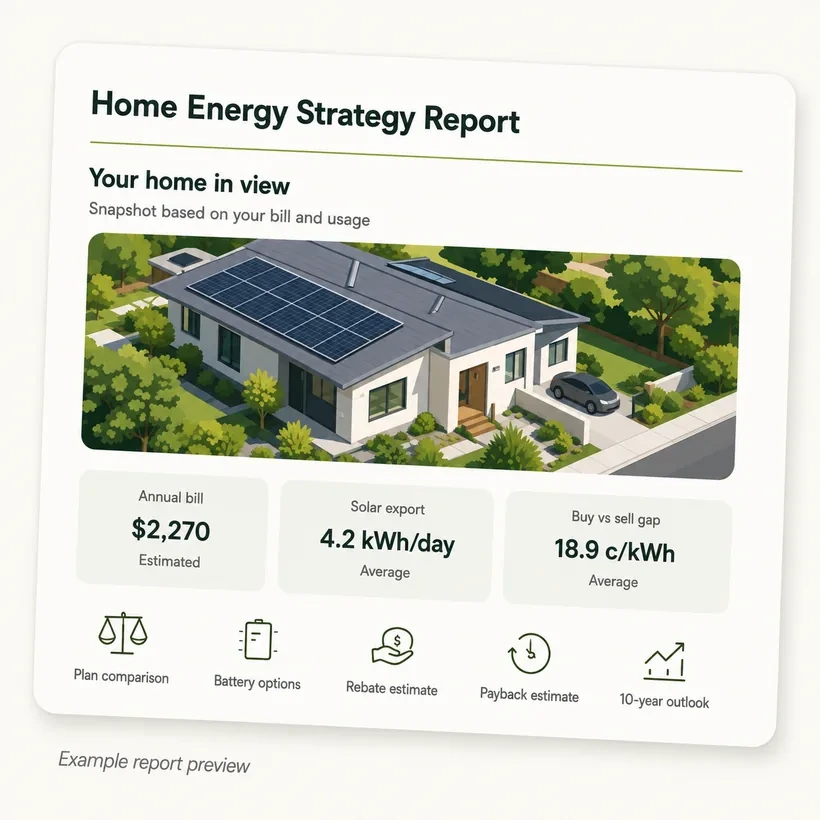
Peak, shoulder and off-peak explained , how time-of-use tariffs differ from flat-rate and demand plans, and which one suits a solar or battery home.
The tariff on your electricity plan decides when power is cheap and when it's expensive , and if you have solar or a battery, choosing the right one can be worth hundreds of dollars a year. Here's how the main tariff types work and which suits which household.
Flat-rate (single-rate) tariffs
A flat-rate plan charges the same price per kilowatt-hour (kWh) no matter when you use it. It's simple and predictable. It suits homes with steady usage and no way to shift consumption , but it means you never benefit from cheaper off-peak periods, and you can't take advantage of a battery by charging when power is cheapest.
Time-of-use (TOU) tariffs
A time-of-use plan splits the day into pricing windows. The exact times vary by distributor and retailer, but the pattern is consistent:
- Peak , the most expensive window, typically weekday late afternoon and evening (often around 3pm–9pm) when everyone gets home and demand is highest.
- Shoulder , a middle price covering much of the day and evening outside the peak window.
- Off-peak , the cheapest window, usually overnight (and sometimes the middle of the day, when solar floods the grid).
TOU rewards you for shifting flexible loads , dishwasher, washing machine, pool pump, EV charging, and battery charging , into shoulder and off-peak windows, and for avoiding grid use during peak.
Demand tariffs
A demand tariff adds a separate charge based on your single highest burst of power (kW) during peak times in the month, on top of your usage charge. One afternoon of running the oven, air conditioner and EV charger together can set an expensive "demand" figure for the whole month. These plans reward keeping your peak draw low , exactly what a well-configured battery does automatically.
Which tariff suits which home?
- No solar, steady usage, can't shift load → a flat-rate plan is simplest and often fine.
- Solar only → TOU usually wins: you self-consume free solar during the day and buy little during peak. Watch the feed-in tariff too , daytime export is often paid very little, which is the case for a battery.
- Solar + battery → TOU (and sometimes demand) is where a battery pays off most. You store cheap or free energy and discharge it through the expensive peak window, so you buy almost nothing at peak prices. See how to choose a solar battery.
- EV owner → TOU with a cheap overnight off-peak window lets you charge the car for a fraction of peak rates. Pair it with solar-surplus charging during the day , see solar-first EV charging.
How a battery changes the maths
Without a battery, a TOU plan only helps for loads you can manually move. A battery automates it: it charges from your surplus solar (or cheap off-peak power) and powers your home through the peak window. That turns the daily peak/off-peak price gap into ongoing savings , and it's why battery households usually benefit most from a time-based tariff.
How to read your own plan
On your bill or plan's basic plan information, look for the tariff type, the peak/shoulder/off-peak times and rates, the daily supply charge, and the feed-in tariff for exported solar. Compare the peak rate against off-peak , the bigger the gap, the more a battery and load-shifting are worth.
How Sunbridge helps
We look at your usage pattern and tariff when sizing solar and battery, so the system is designed around how your plan actually charges you. Request a quote and we'll factor your tariff into the numbers, or read our home battery rebate guide to see how incentives stack on top.
Thinking about solar, a battery or an EV charger?
Get a tailored quote , we'll design the system around your home, usage and rebates.