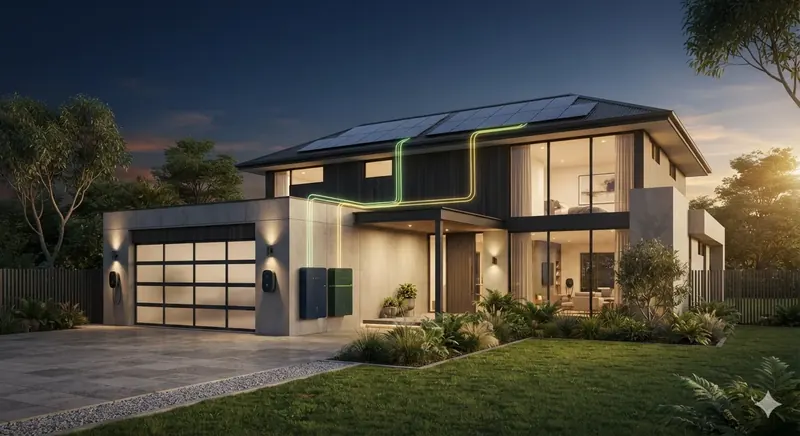
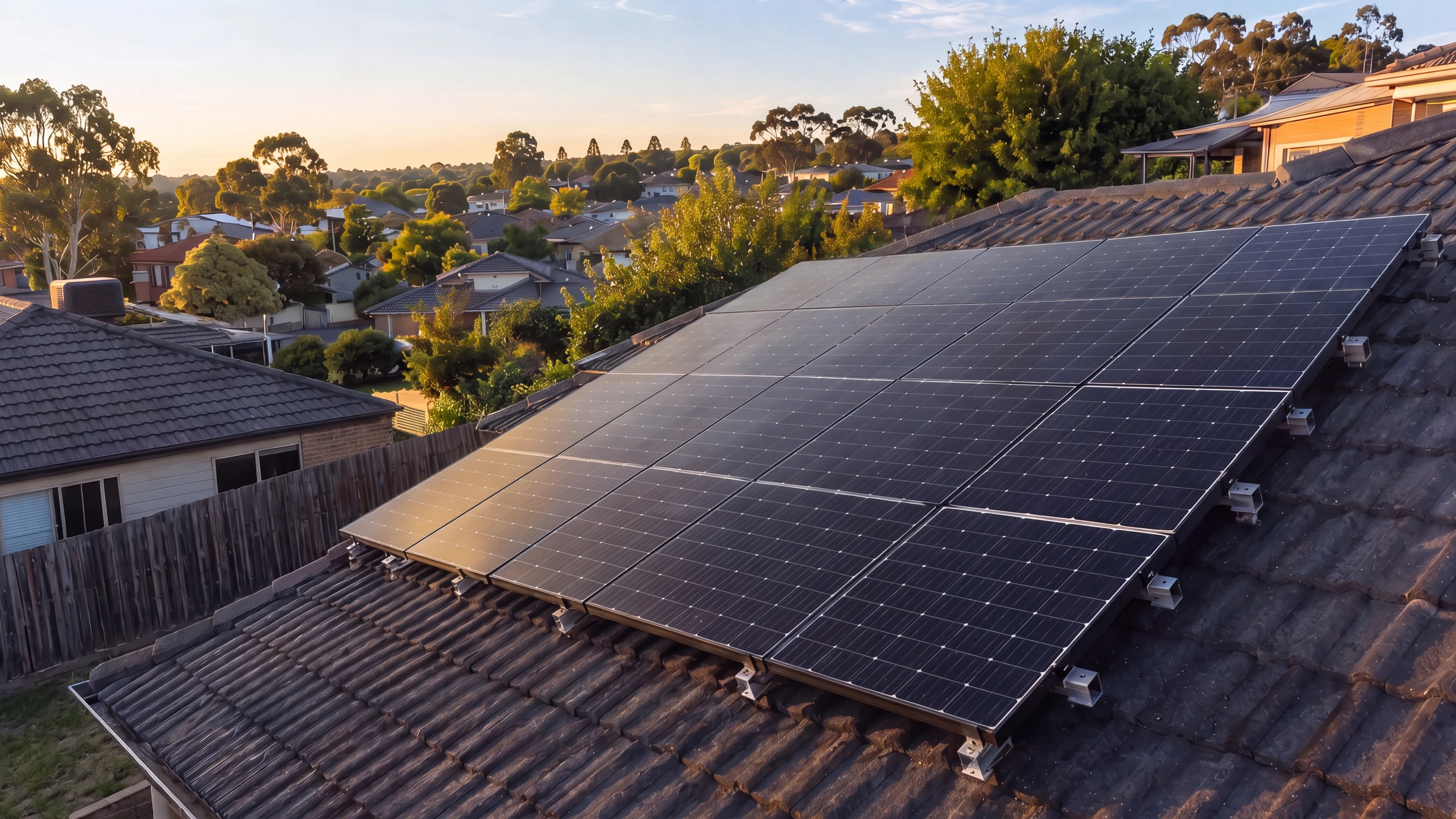
Solar Panels for Australian Homes
Compare high-efficiency solar panels with Sunbridge guidance before choosing modules sized to your roof, shading and energy goals.
- Roof-specific system design
- Accredited Australian installation
- Rebate and inverter guidance
Understanding Solar Panels
How rooftop solar works
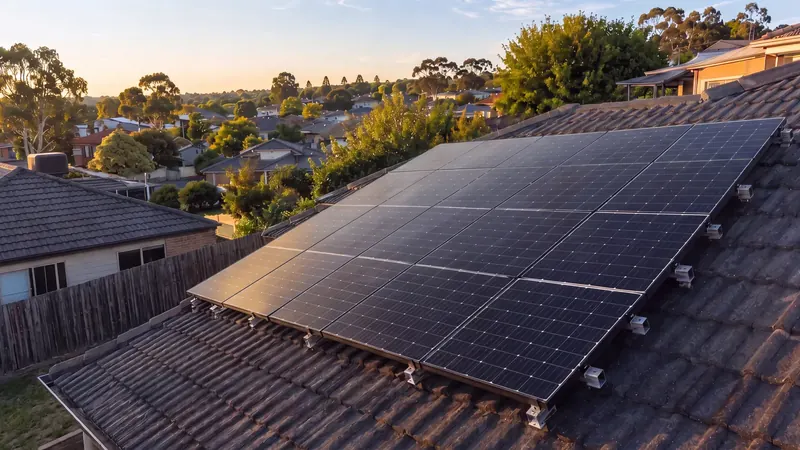
Solar panels convert sunlight into electricity your home can use immediately, store in a battery, or export to the grid. The right panels depend on roof space, orientation, shading, household usage and your inverter — not a fixed panel count.
Key Considerations
- Panel output and efficiency determine how much energy you get from the available roof area — higher-wattage panels mean fewer panels for the same system size
- Roof orientation and shading affect real-world generation, not just the panel rating
- Panel choice should match your inverter selection and any future battery plans
Explore by brands
Compare trusted brands and find the right battery for your home.
- Jinko
N-type efficiencyHigh-output N-type (TOPCon) panels with strong low-light performance.
- Tiger Neo N-type cells
- Strong low-light output
- Durable dual-glass options
- LONGi

High efficiencyWorld-leading high-efficiency mono-crystalline modules for larger arrays.
- Up to 24.8% module efficiency
- Low first-year degradation
- Back-contact (BC) cell technology

Free Home Energy Strategy Report
Not sure which panels suit your roof?
We review your roof layout, shading, energy usage and goals to recommend the right solar array for your home.
- Tailored recommendations
- No obligation
- Australian support
Compare solar panels
Browse solar panels for Australian homes. Compare output, cell technology and best-fit use cases.
- Jinko
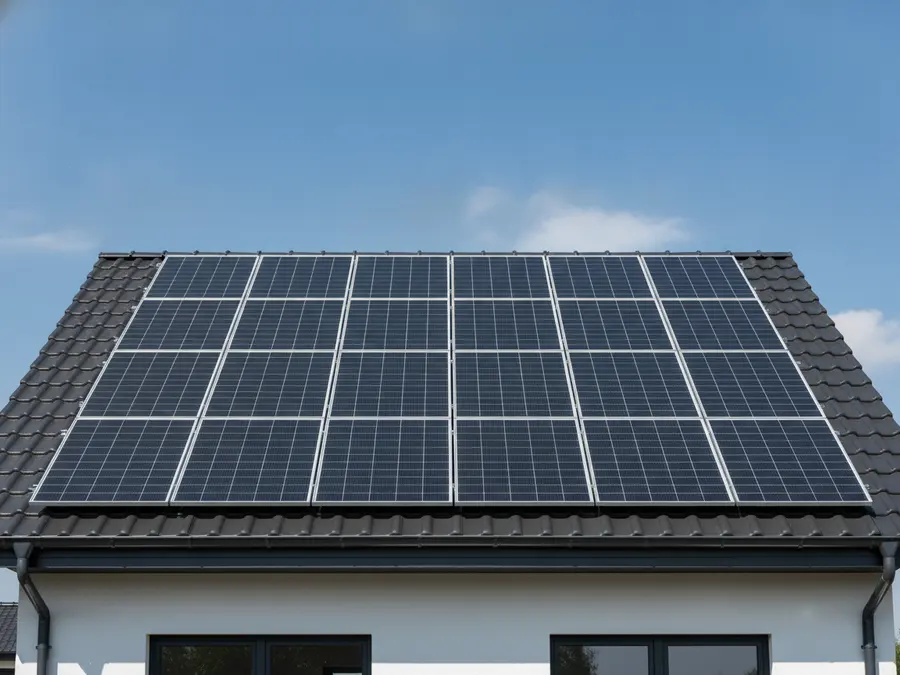
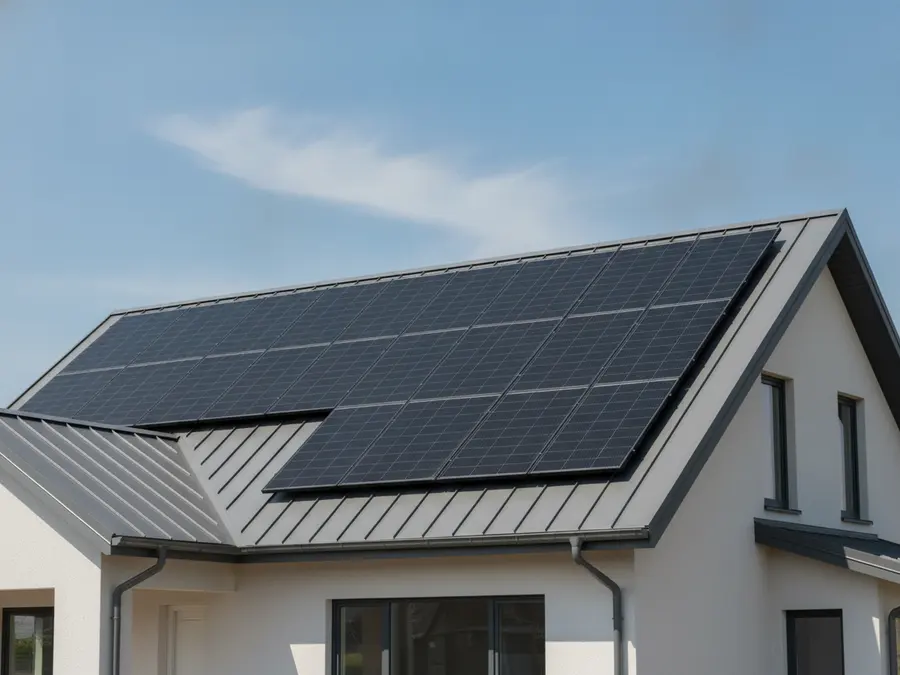
JinkoJinko 60HL4-V
- N-type
- Mono-facial
Best for: Standard rooftop layouts
View system → - Jinko
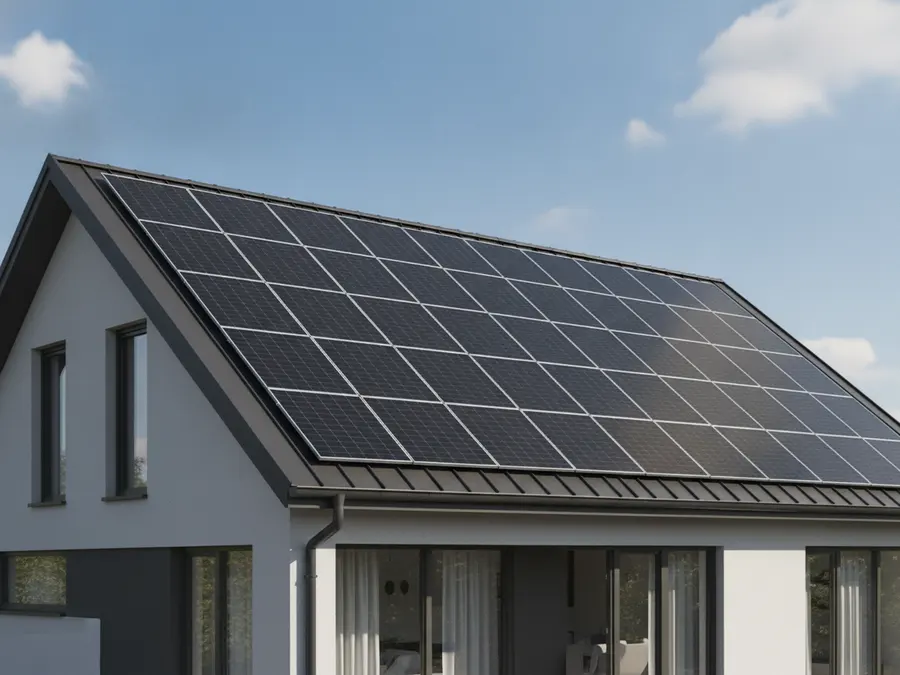
JinkoJinko 48HL4M-DV
- N-type
- Dual glass
Best for: Harsh Australian conditions
View system → - LONGi
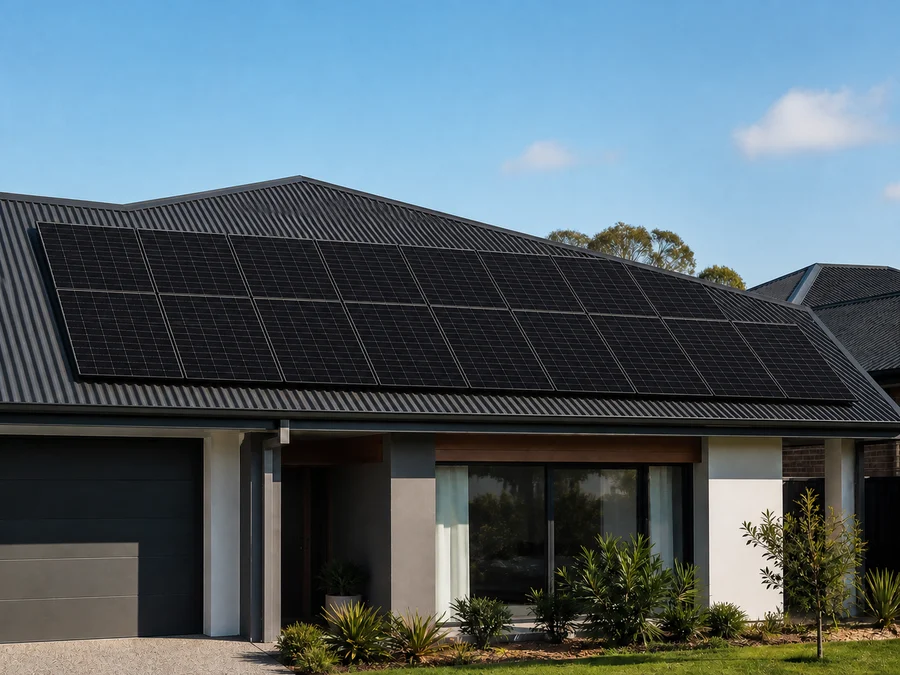
LONGiLONGi LR7-72HVHF
- High efficiency
- BC-cell
Best for: Larger rooftops and higher yield
View system → - JA Solar
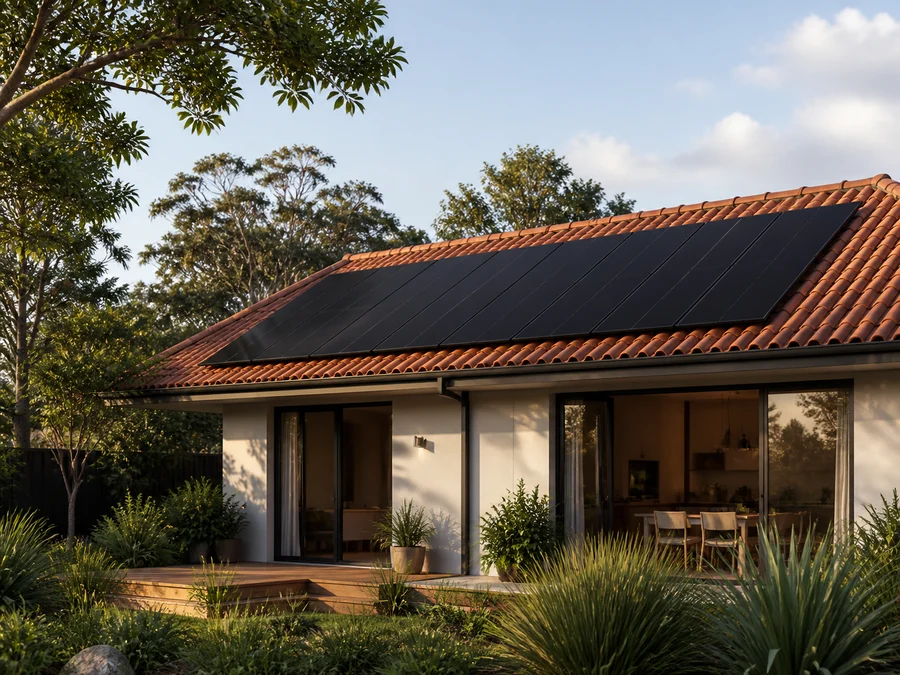
JA SolarJA Solar JAM54S43 LR
- N-type
- All-black
Best for: All-black rooftops
View system → - AIKO
AIKOAIKO Neostar 3P54
- ABC cell
- Up to 25%
Best for: Roofs where efficiency matters
View system →
Knowledge Base
Learn before you buy
Plain-English guides to help you choose with confidence.
Solar Panels7 min readSolar Panel FAQ: Wattage, N-Type, Efficiency and How Many You Need
What panel wattage and efficiency really tell you, what N-type TOPCon and back-contact cells mean, how many panels a home needs, and how panels pair with a battery — answered simply.
Read →
Energy Basics6 min readSingle-Phase vs Three-Phase Power: What It Means For Your Home
What single-phase and three-phase power actually mean, how to tell which one your home has, and why it changes your solar, battery and EV charger options.
Read →
Product FAQ
Frequently Asked Questions
The right number of panels depends on roof space, shading, orientation, household usage, inverter capacity, and export limits. Sunbridge designs each system around the site rather than assuming a fixed panel count.
Sunbridge compares panel options based on output, roof layout, technical requirements, and availability. Product choice should also consider the rest of the system, including inverter selection and any future battery plans.
Yes, solar panels can work with a compatible battery system to store more daytime generation for later use. The final design depends on inverter compatibility, battery type, metering, and the home electrical setup.
Shading can reduce solar output, especially when it affects panels during strong daylight hours. Sunbridge assesses roof conditions and layout options before recommending a system design.
Complete the system
Explore the rest of your setup
Solar, storage and EV charging work best designed together.
Expert Advice
Not sure which panels fit your home?
Sunbridge can compare panel options against your roof, shading, usage and inverter setup.