Sigenergy SigenStor Review (2026): An Installer's View
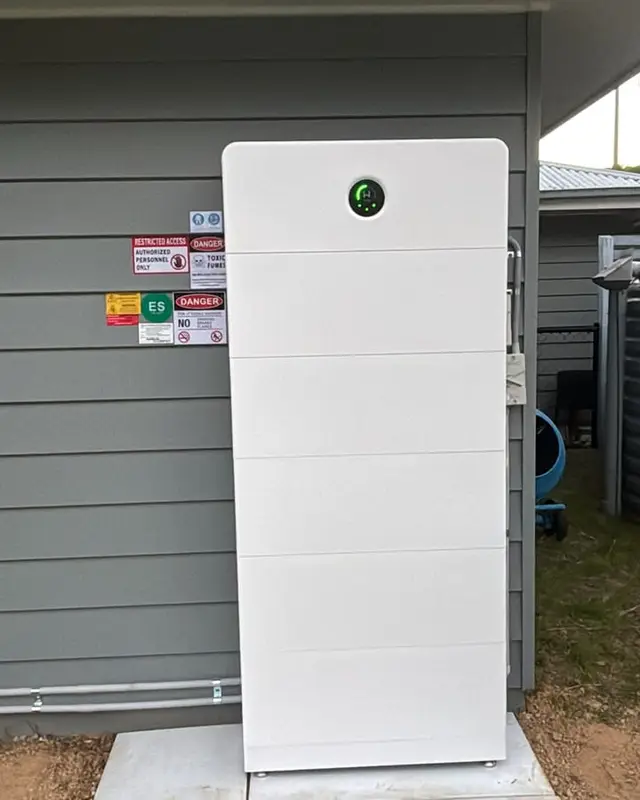
What the SigenStor is in late 2026, what it costs installed, what owners have run into, how the warranty works in practice, and how we install it to avoid the known problems.
We install the Sigenergy SigenStor as a Sigenergy Certified Installer, so read this review knowing we sell it. We have tried to make it useful anyway. It covers what the system is in late 2026, what it costs installed, what owners have actually run into, how the warranty works when something fails, and what we do at installation because of all that.
It draws on three things: Sigenergy’s current Australian datasheets and warranty documents, the Sigenergy quotes we have sent since June 2026, and the two main SigenStor owner threads on the Whirlpool forums, around 14,700 posts read in October 2026. Where a point rests on owner reports, we link to the post so you can read it yourself.
The short verdict
SigenStor is a well-built, flexible system. Owners consistently describe backup they do not notice during real outages, and it gives owners more direct access to their own data than most batteries. Its weak points over the past year have been slow support responses, firmware that changes often, and a few backup and network quirks that come down to design and set-up rather than faulty hardware.
- A good fit if you want one stack for solar, battery and backup, may add a DC EV charger later, are on a three-phase supply, or want to automate the battery yourself.
- Think twice if the lowest price per kWh matters most (a GoodWe ESA of the same size is usually cheaper, see below), the battery would sit on a bedroom wall, or the site has no reliable internet.
What you get in 2026
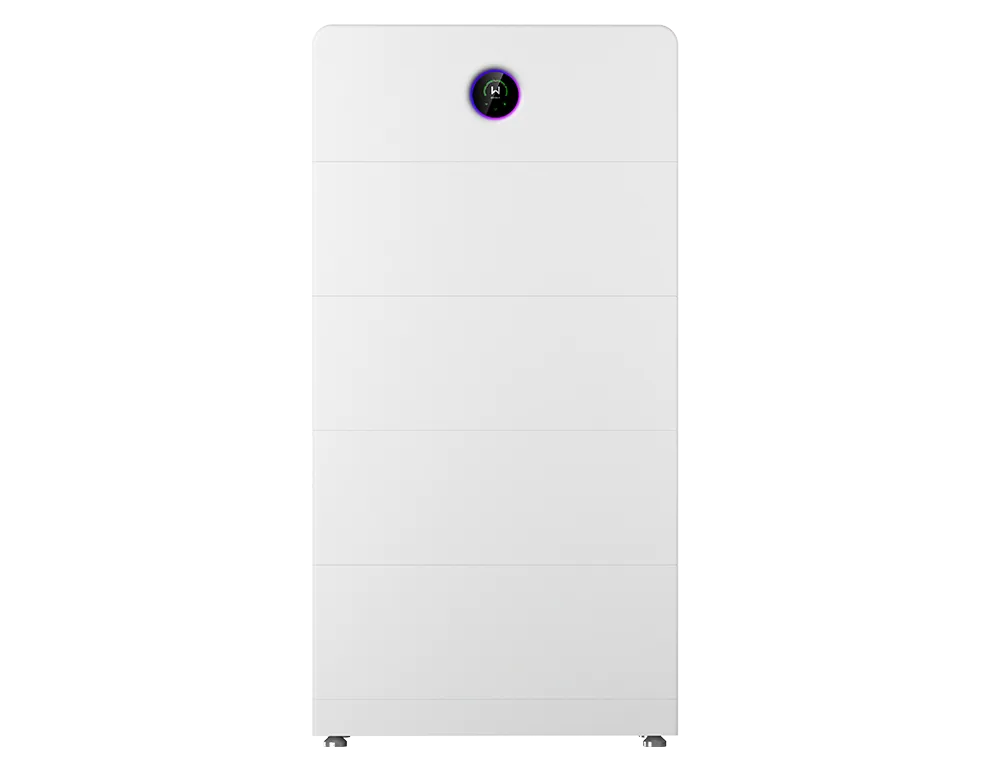
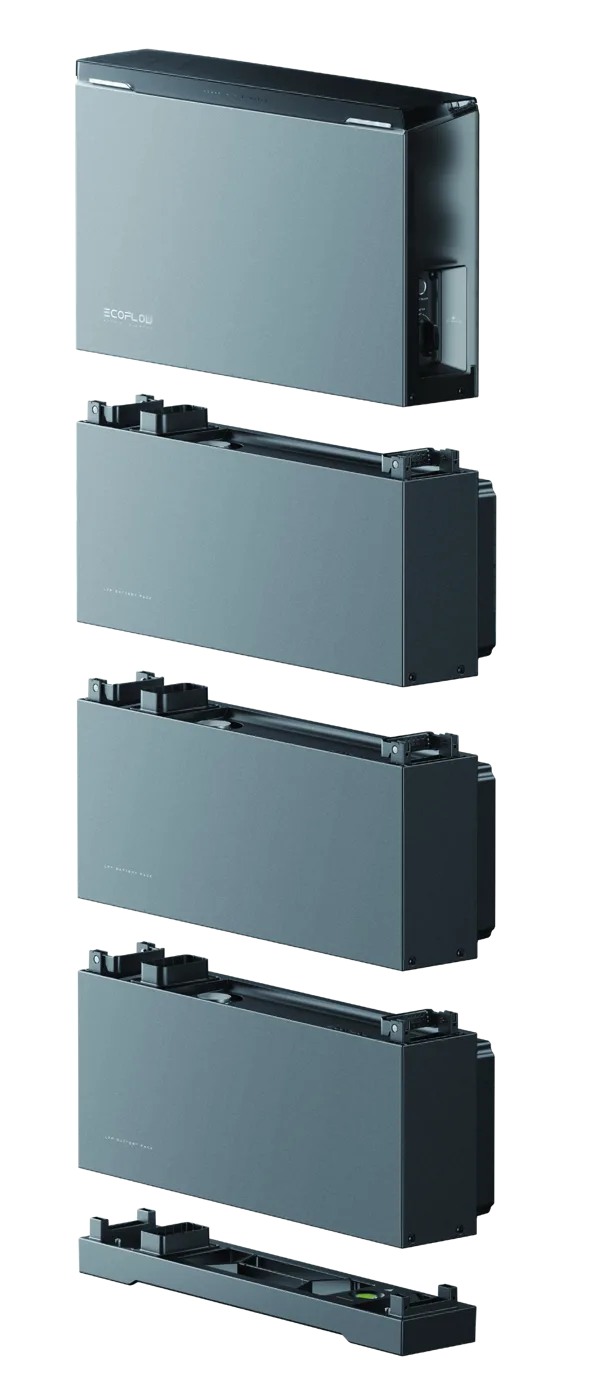
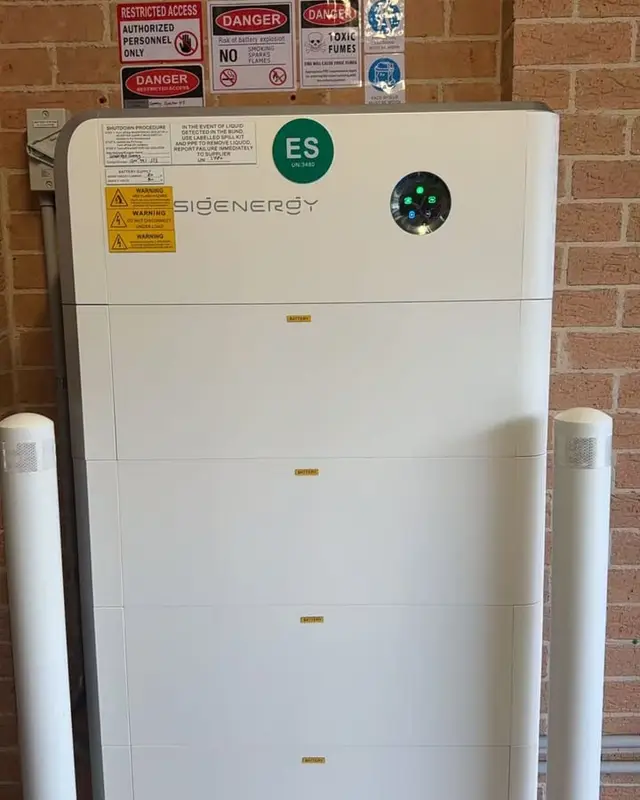
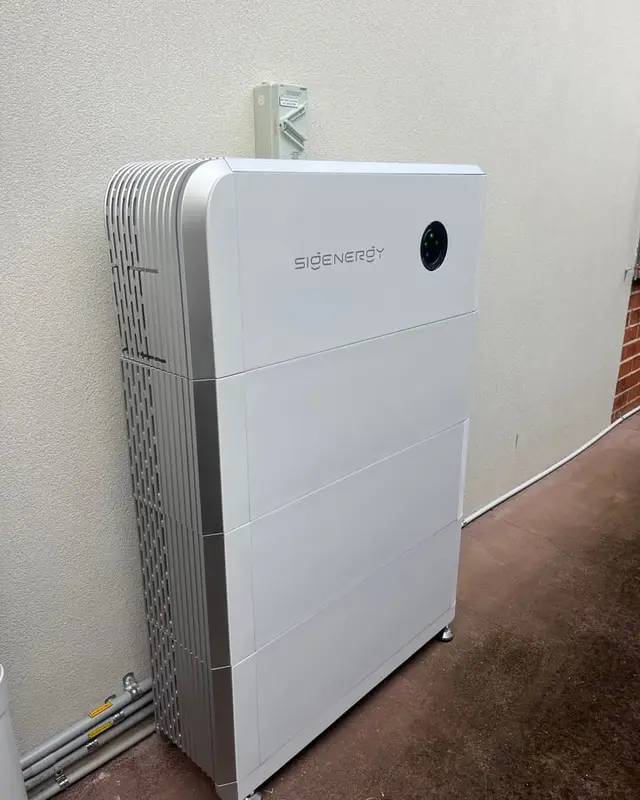
A SigenStor is a stack. At the top is the energy controller, a hybrid inverter with 2 to 4 solar inputs. In Australia it comes in single phase from 5 to 12 kW and three phase from 5 to 30 kW. Under it sit the battery modules. The current module is the BAT 10.0: 9.04 kWh in total, 9.0 kWh usable, up to six per controller, so one stack holds up to 54.24 kWh. A Sigen Energy Gateway adds backup switching, and an EVDC module can add a DC car charger to the same stack.
If you read older reviews, check the module. Many still describe the BAT 5.0 and BAT 8.0, and some quote 8.76 kWh usable and 26.68 MWh of warranted throughput for the BAT 10.0. Sigenergy’s current datasheet and its May 2026 warranty say 9.0 kWh usable and 33.29 MWh.
What a SigenStor costs installed
These are our fixed prices for a standard installation as at 15 October 2026, including GST, after the federal battery discount. Every size has single and three phase options; the lowest is shown.
| Battery | Modules | Installed from |
|---|---|---|
| 18 kWh | 2 × BAT 10.0 | $8,067.60 (single phase, 6 kW controller) |
| 27 kWh | 3 × BAT 10.0 | $11,721.50 |
| 36 kWh | 4 × BAT 10.0 | $14,508.50 |
| 45 kWh | 5 × BAT 10.0 | $17,406.50 |
| 54 kWh | 6 × BAT 10.0 | $23,413.70 (three phase, 20 kW controller) |
Backup costs more on a SigenStor than on most brands because it needs the Sigen Gateway: partial backup adds $1,455.90 on single phase and $1,681.40 on three phase, and whole-house backup adds $1,981.40 on three phase. A garage install adds $500 for the bollards and smoke alarm. The Sigenergy page has every package with today’s price and a written quote for each. The federal discount steps down on 1 January 2027, so the same systems will cost more for installs from then.
What our Sigenergy quotes look like
Since our quote system went live in June 2026, a pattern has emerged in the Sigenergy quotes we send:
- 27 kWh is the typical size. It is the median, and just over half fall between 20 and 30 kWh. Very few households ask for under 20 kWh.
- Most are three phase. 58% of Sigenergy quotes are for three-phase homes, compared with about half across all the brands we quote.
- Backup is the norm. 62% include backup, and about half of all Sigenergy quotes include the Sigen Gateway.
- Many are retrofits. Across all brands, 45% of the batteries we quote are being added to an existing solar system.
- People compare. About one household in four asks us to quote two or more brands, usually Sigenergy against GoodWe.
These come from a few dozen quotes, so treat them as a picture of our customers, not the market.
What owners like
- Backup that goes unnoticed. At least eight owners on Whirlpool describe real outages they only found out about from the app, such as a family who slept through an overnight Ausgrid outage in January 2026.
- Open access to their own data. Owners can read and control the system locally over Modbus TCP, which matters to anyone using Home Assistant. Since firmware SPC114 in May 2026, owners can switch this on themselves instead of asking the installer.
- The app. Owners rate the energy-flow view, and app 4.0 in July 2026 added forecasts and a tariff database.
- One stack that grows. Modules can be added later, an existing Fronius or Enphase inverter can be kept, and the EVDC module charges a car straight from the stack.
A nuance that comes up again and again: owners who are happy with the hardware but less happy with how quickly support responds.
What owners have run into, and where each issue stands
A short blackout when kept solar is exporting
Four owners in a dedicated Whirlpool thread describe the same thing: when the grid drops while the battery is nearly full and an older AC-coupled inverter is exporting several kilowatts, the controller resets and the house is dark for about a minute before backup comes on. It does not happen every time. As of October 2026 there is no confirmed firmware fix. It affects homes that keep an existing inverter on the backup side, not homes where all panels run through the SigenStor.
Home network trouble
When the controller, gateway and car charger are all plugged into the home network by cable, they send a steady stream of broadcast traffic that some owners say slows their Wi-Fi. The fix owners describe is to cable the Sigenergy devices to each other and connect only the controller to the home network. We set it up that way.
Firmware that changes often
Sigenergy pushes updates frequently, sometimes overnight. Most go unnoticed, but some changed behaviour: an update in September 2026 changed how Modbus settings are applied, which broke some owners’ Home Assistant automations, and there is no way to roll firmware back. If you automate your battery, expect to adjust after updates.
Small imports from the grid
Some owners see a small, constant import, typically 0.2 to 0.5 kWh a day, more often on three phase. It matters on plans that reward zero evening import. One owner cut it to about 0.06 kWh a day with a small export bias setting.
Fan noise and heat
The battery modules have no fans, but the energy controller does, and owners of the larger three-phase controllers describe it as audible through a wall. Sigenergy’s manual gives an optimal range of 10 to 35 °C, with derating possible above 40 °C. Sun-exposed sites need shade.
The warranty, in plain terms
- Cover: 10 years on the battery modules and energy controller. The battery is warranted to keep 70% of its usable energy at 10 years, or until it has delivered 33.29 MWh per BAT 10.0 module, whichever comes first. The gateway has 5 years, the EVDC module 3 years and the power sensor 2 years.
- It must stay online. After 90 days offline the system goes into a safe mode, and after more than a year offline the cover drops to 5 years.
- Claim within 30 days of a fault, by lodging a ticket in the mySigen app. Owners in 2026 report faster answers by also emailing Sigenergy Australia.
- Labour is covered. A valid claim covers on-site labour, basic travel and ground shipping, not only the part. This is a real advantage over some brands.
- Register promptly. If a system is not installed and registered within 180 days of leaving the factory, the warranty starts on day 180 anyway.
- An extension exists: a paid factory option adds 5 years, to 15 years at 60% usable energy.
Owner reports of warranty claims range from a few weeks to about three months. Your rights under the Australian Consumer Law apply as well.
What we do at installation because of this
- Check that the controller delivered matches the rating on the quote, and that the AC cable suits that rating.
- DC-couple panels where we can. Where an existing inverter stays and backup is wanted, enable frequency control and test a real cut-over with the battery nearly full, not only a quick breaker flip.
- Cable the Sigenergy devices to each other and put only the controller on the home network.
- Switch Modbus on at commissioning if the customer might automate the system.
- Place larger controllers away from bedroom walls and out of direct afternoon sun.
- Register the warranty, confirm it shows in the app, and explain the 30-day claim rule and the need to stay online.
- On plans that reward zero import, set a small export bias and check the first week of retailer data.
Sigenergy or GoodWe?
At the same size, our GoodWe ESA packages usually cost less: a 27 kWh GoodWe ESA is $9,432.63 against $11,721.50 for a 27 kWh SigenStor on today’s prices. Sigenergy’s case is its backup record, the DC EV charger option, open local data and a warranty that covers labour. Our GoodWe ESA review covers the other side.
Who should choose a SigenStor
Choose it if you want reliable whole-home or partial backup, are on three phase, want room to add modules or a DC charger, or want to control the battery yourself. Look elsewhere if the budget is tight, the only sensible spot is next to a bedroom, or the site cannot stay online. Either way, the inspection is where we check the switchboard, the phase, where the stack can go and what your existing solar allows, before you commit.
If you are comparing installation companies, use our Sigenergy installer checklist to ask each one about accreditation, backup design, the itemised quote and after-sales support.
FAQ
Frequently asked questions
Thinking about solar, a battery or an EV charger?
Get a tailored quote , we'll design the system around your home, usage and rebates.