How to Choose a Sigenergy Installer: An Australian Homeowner’s Checklist
A practical checklist for comparing Sigenergy installers, understanding a SigenStor quote and knowing what to ask before installation.
Searching for a Sigenergy installer usually means you have moved beyond comparing battery brochures. You need someone to inspect your home, design the system, explain the quote and remain available after the SigenStor is commissioned.
Sunbridge Energy installs Sigenergy systems, so we have a commercial interest in your choice. This guide gives you questions to put to us and to any other installer. Ask for clear answers in writing before paying a deposit.
What to check at a glance
| Check | What to ask for | Why it matters |
|---|---|---|
| Accreditation | Electrical licence, battery accreditation and any claimed Sigenergy certification. | These cover different things. A brand badge alone does not establish eligibility for a government battery discount. |
| Site design | Written notes on existing solar, supply phase, switchboard, battery position and intended backup circuits. | The right components and installation work depend on the property. |
| Quote | Model numbers, module count, usable capacity, gateway, installation work, discount and final price. | You can compare like with like and see what is excluded. |
| Handover | Commissioning checks, app access, documents and a named support contact. | You should know how the system works and who to contact later. |
Step 1: Verify the people and their credentials
Ask who will design, install and supervise the battery work. For a battery to qualify under the federal Cheaper Home Batteries Program, the Clean Energy Regulator lists an SAA-accredited installer with battery endorsement among its requirements. Licensed electrical work and product approval also matter. Ask the installer to show the accreditation details that apply to your job and confirm the proposed equipment is eligible at the time of installation.
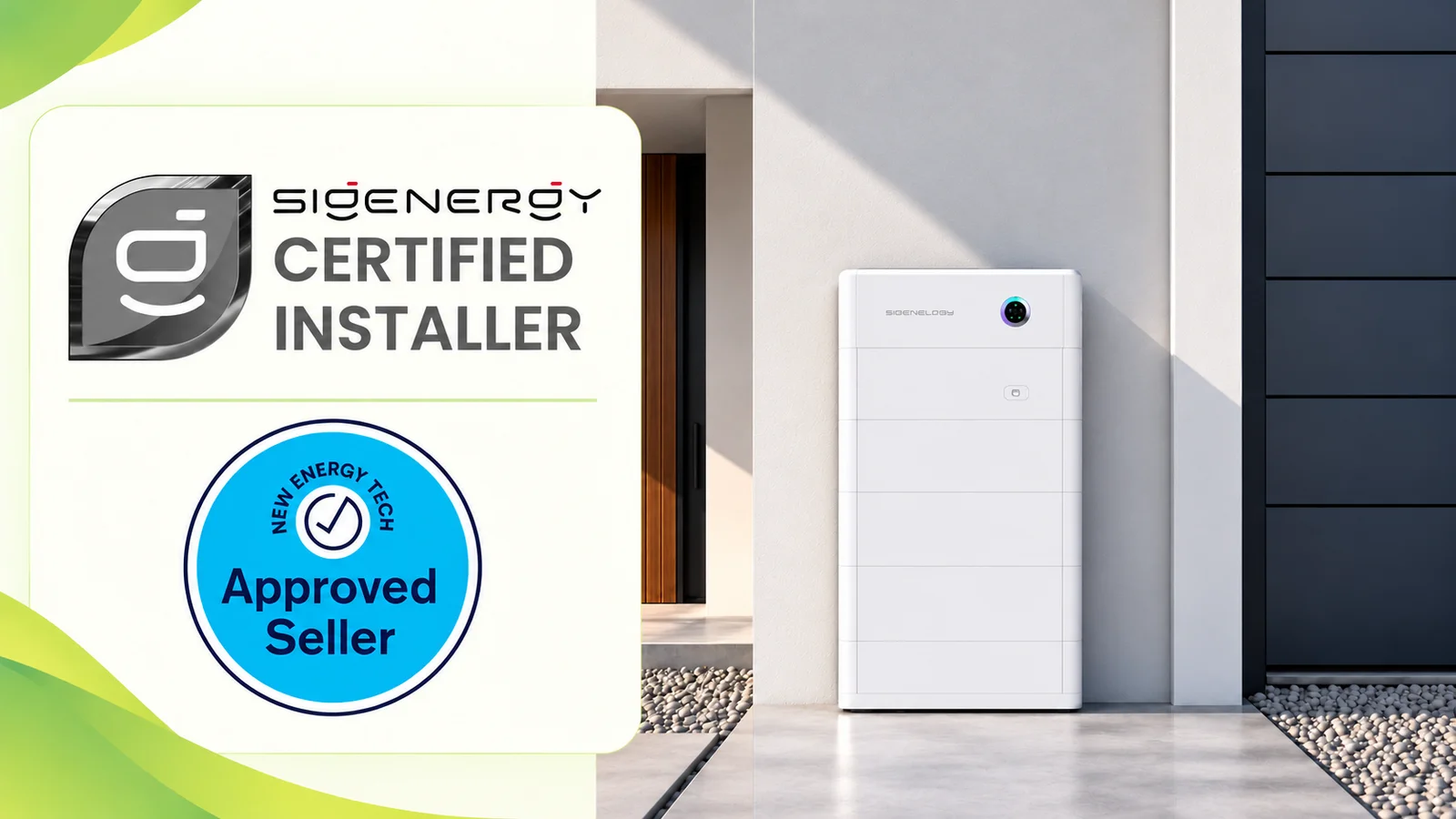
Manufacturer certification is a separate question. Sunbridge Energy is a Sigenergy Certified Installer for 2026. You can inspect our certificate, then ask us exactly who will attend your site and who will take responsibility for commissioning and support.
Step 2: Ask for a design based on your home
A useful proposal starts with your electricity use and the physical site. The installer should check your existing solar and inverter, whether the supply is single or three phase, switchboard and meter space, cable route, battery location, and whether you want backup during a grid outage.
Before accepting a design
Ask these five questions
- Which SigenStor controller and battery modules are proposed, and why?
- Will the system work with my existing solar equipment?
- Which circuits will run during an outage, and what equipment is needed for backup?
- Where will the battery and gateway be placed, and what site work is included?
- Who will arrange network approval, commissioning and the final handover?
Backup deserves particular attention. It must be designed for the circuits and loads you expect to use, especially in a three-phase home. Our three-phase backup guide explains the questions to resolve before choosing an inverter.
Step 3: Compare itemised Sigenergy quotes
A headline battery size or a single installed price is not enough to compare offers. Request the controller model, battery module model and count, usable capacity, any Sigen Gateway, monitoring and metering equipment, labour, switchboard work, electrical compliance work and warranty terms as separate, understandable items. If a discount is included, ask how it has been calculated and what happens if the installation date or system design changes.
A quote for your site
Want Sunbridge to assess your Sigenergy installation?
Our local branch can review your usage, existing solar, switchboard, battery location and backup priorities, then prepare a site-specific proposal. You can check our Sigenergy systems and installed prices before the inspection.
When two quotes differ, check the included equipment and scope before deciding which is better value. A lower figure may omit a gateway, electrical upgrades or the backup arrangement you asked for.
Step 4: Understand the installation and handover
Ask the installer to explain the sequence from site inspection and network approval to electrical work, commissioning and handover. Confirm who will demonstrate the mySigen app, identify your backed-up circuits, supply the compliance paperwork and register the product warranty.
Keep the final design, itemised invoice, product serial numbers and handover documents together. If anything about the installed system differs from the quote, ask for an updated explanation before signing off.
Step 5: Check who supports the system afterwards
Find out who answers the phone if the system goes offline, backup does not work as expected or a component fails. Ask whether the installing business will help diagnose the problem, coordinate a manufacturer claim and explain any visit or labour charges. A clear support process matters as much as the hardware warranty wording.
Our SigenStor review looks at the current product, warranty and installation questions in more detail. Use it alongside the written proposal for your home, then compare at least two installers on the same scope.
Choose an installer who can explain your actual system
The strongest answer to “Who should install my Sigenergy battery?” is a clear, checkable plan for your property. Verify credentials, ask how backup will work, compare complete quotes and make sure the handover and support responsibilities are in writing. A good installer should be willing to explain those details before you commit.
FAQ
Frequently asked questions
Ready to plan a Sigenergy installation?
Tell us about your home, existing solar and backup goals. Your local Sunbridge Energy branch can arrange an inspection and prepare a tailored proposal.