
More Australians Are Choosing EVs: Is Your Home Ready to Charge One?
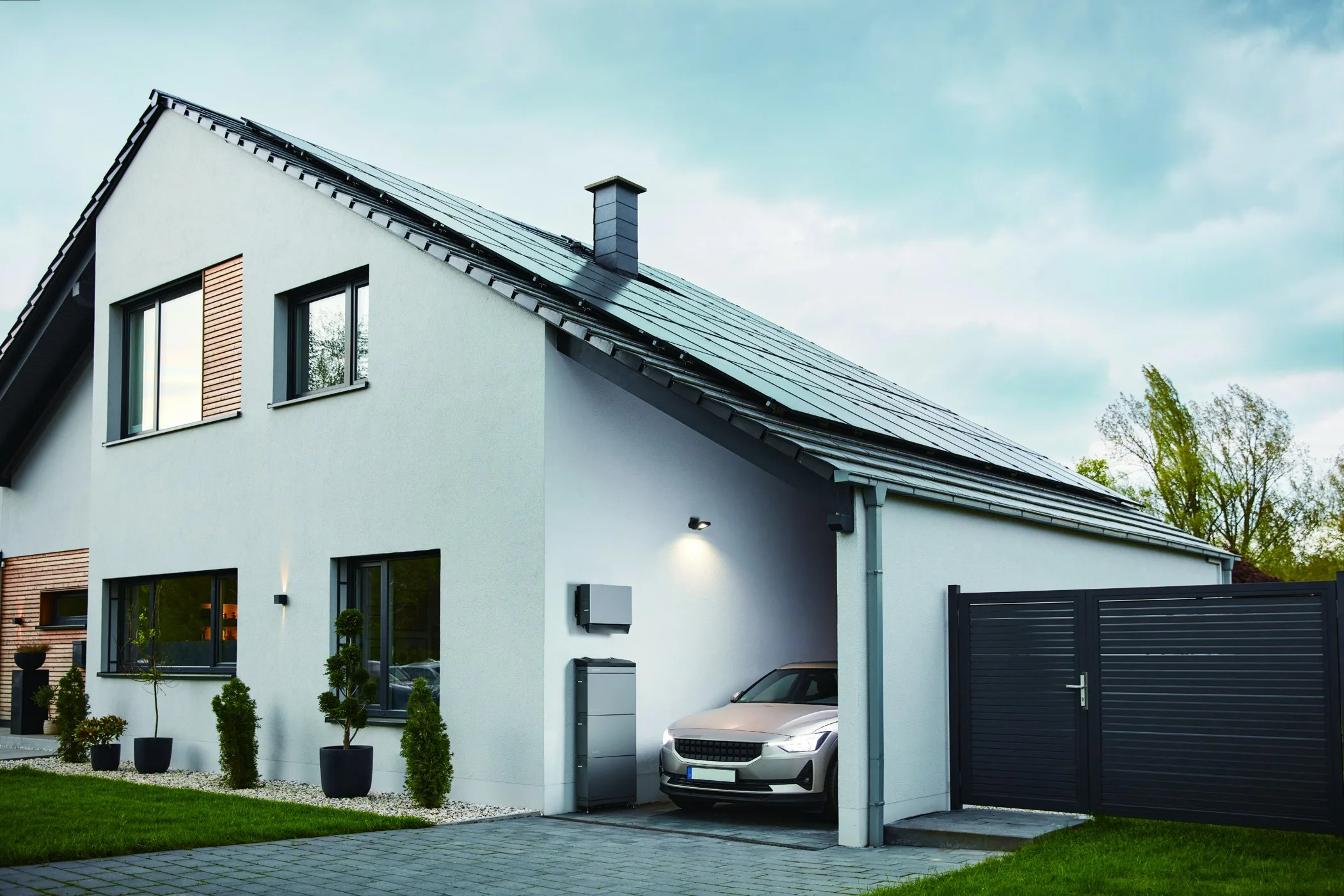
As EV adoption grows, charging moves transport energy onto the household electricity bill. Here is how to prepare the home, solar and switchboard.
As more Australian drivers move from petrol to electric vehicles, part of the household transport budget moves to the electricity meter. Home charging can reduce transport costs on its own; coordinating the charger with the tariff, rooftop solar and any home battery can improve the result further.
A standard power point can add energy slowly, while a dedicated home charger provides a purpose-installed circuit and faster charging. A smart model can also give much better control over when electricity is used. The Australian Government says dedicated home chargers commonly operate at 7 to 22 kW and must be installed by a licensed electrician. The best setup is determined by daily driving, parking time, the home's electrical supply and how much rooftop solar is available.
Start with kilometres, not maximum charger speed
Most vehicles do not return home empty every night. Estimate the energy needed to replace a normal day's driving, then make sure it can be delivered during the hours the car is parked. A 7 kW single-phase charger is often enough for overnight top-ups, while higher-power three-phase charging may suit long-distance use, larger vehicles or short charging windows.
The car's onboard AC charging limit also matters. Installing a charger with a higher rating does not make the vehicle accept more AC power than it supports.
Check the switchboard and available supply
An EV charger is one of the largest sustained loads commonly added to a home. An installer should inspect the main switch, cable capacity, phase arrangement, existing solar and other large loads before confirming charger power. Government guidance notes that installing a dedicated charger may require a switchboard or supply-connection upgrade.
On-site dynamic load management can reduce charging power when the home is busy and increase it when spare capacity becomes available. Separately, a distributor may offer or require network-controlled charging arrangements. Queensland network guidance, for example, documents an actively managed option that preserves access to rooftop solar while allowing the network to reduce charging during constrained periods. These are related controls, but they are not the same function and availability varies by network area.
Use solar when the car is actually home
Solar-powered EV charging works best when the vehicle is parked during daylight hours. A solar-aware charger can follow genuine surplus generation instead of importing at full power whenever a cloud passes.
Very low charging power can carry higher proportional vehicle overheads, so the cheapest strategy is not always the slowest possible charge. A practical plan may combine solar surplus with a minimum charging rate or a selected off-peak window. Read our solar-first EV charging guide for the control options.
Protect the home battery
An EV battery is usually much larger than a home battery. Without a clear priority, the charger may consume stored household energy and leave the home importing electricity later. The system should define whether the car can use the home battery, preserve a minimum reserve, or charge only from live solar and approved tariff periods.
Prepare for the next energy upgrade
Even if the home does not yet have solar or a battery, cable routes, switchboard space, communications and charger selection can preserve future options. Bidirectional charging may eventually allow compatible vehicles to support the home, but vehicle, charger, inverter, network and regulatory compatibility all need to align.
Where EcoFlow PowerPulse 2 fits
EcoFlow PowerPulse 2 is not a battery and it does not store surplus solar. It is an AC EV charger that EcoFlow rates up to 7.4 kW on single-phase or 22 kW on three-phase. Its official Australian product information lists Solar, Smart, Fast and Scheduled modes, real-time load balancing, PowerOcean integration and support for compatible third-party solar systems.
In Solar Mode, PowerPulse 2 prioritises available solar generation. EcoFlow states that grid electricity can supplement charging when sunlight is insufficient, so “solar charging” should not be interpreted as a guarantee that every charging session is 100% solar. The actual result depends on solar output, household demand, metering, charger settings and when the vehicle is plugged in.
Our practical view: PowerPulse 2 is most compelling for a home already using or planning an EcoFlow PowerOcean or OCEAN 2 battery because charging and household energy can be managed in the same ecosystem. For a GoodWe home, GoodWe HCA usually offers the cleaner same-brand path. For a SigenStor design where compatible bidirectional DC charging is a genuine requirement, Sigenergy's integrated charging options deserve a separate site-specific assessment. Buyers wanting a straightforward standalone wallbox should also compare myenergi and Ocular.
Compare the Sunbridge EV charger range, including GoodWe, Sigenergy, EcoFlow, myenergi and Ocular. A site inspection confirms the electrical capacity and the charging strategy before equipment is selected.
Sources and further reading: EcoFlow Australia, PowerPulse 2 specifications and charging modes; EcoFlow Australia documentation centre; Australian Government, How to charge your electric vehicle; Victoria Government, Charging your electric vehicle; Energex, EV charging and connections; Energex, bidirectional EV charging; SolarQuotes discussion of EV adoption and home electrification. Product specifications checked 11 September 2026.
FAQ
Frequently asked questions
Thinking about solar, a battery or an EV charger?
Get a tailored quote , we'll design the system around your home, usage and rebates.

