
Solar-First EV Charging At Home
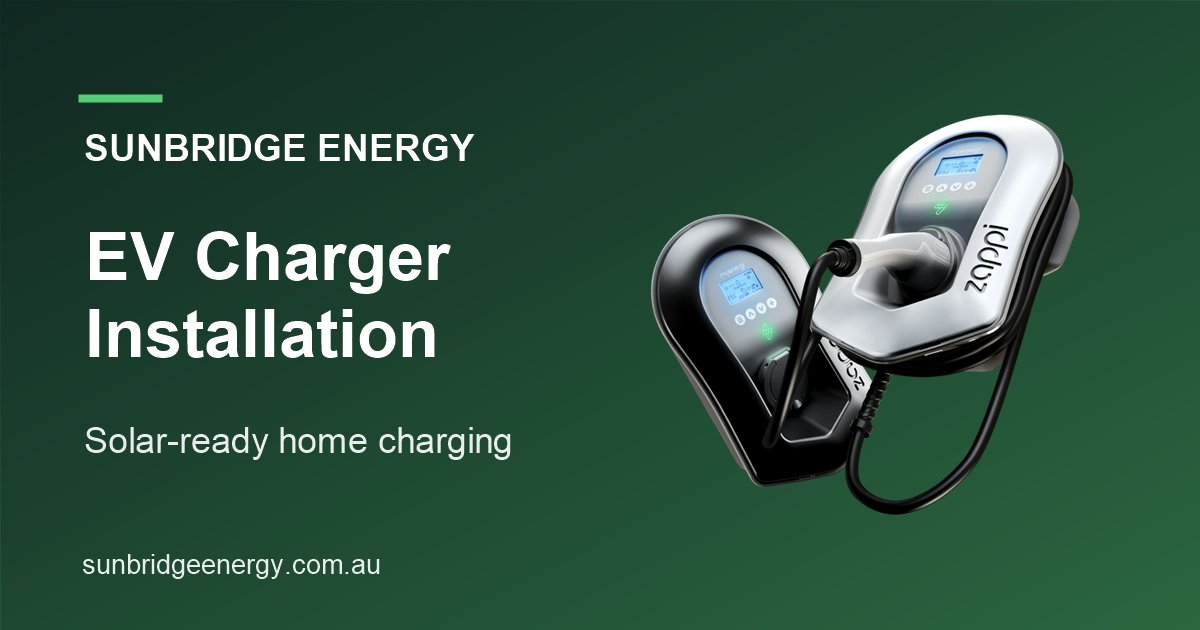
How to charge your EV from your own solar — AC vs DC charging, solar-surplus charging, bidirectional V2H/V2G, and what to consider for an Australian home.
Charging your electric vehicle from your own solar — rather than buying grid power — is one of the cheapest ways to run a car. This guide explains how solar-first EV charging works and what to consider for your home.
AC vs DC charging
An AC charger sends alternating current to the car, which the car's onboard charger converts to DC — limiting speed to that converter (often around 7 kW). A DC charger converts power itself and feeds DC straight to the battery, so it can charge much faster.
Solar-surplus charging
Solar-first (or PV-surplus) charging automatically uses your excess solar — the energy you would otherwise export cheaply — to charge the car. On a sunny day that can mean filling the car for little or no cost, instead of exporting for a low feed-in tariff and buying power back later.
Bidirectional charging (V2H and V2G)
Some chargers are bidirectional, moving energy both ways. V2H (Vehicle-to-Home) lets your EV power your home, including as backup during a blackout. V2G (Vehicle-to-Grid) lets you export to the grid at high-value times to earn credits. A bidirectional charger turns your EV into a large home battery.
Single-phase or three-phase
As with batteries, the charger and its installation depend on your supply, your switchboard capacity and the cable run. A good installer will assess these before recommending a charger and charging speed.
Getting the setup right
Sunbridge installs home EV chargers — including the bidirectional Sigen EV DC Charger — and designs the setup around your solar, battery and home. Browse our EV charger options or request a quote to charge more of your driving on your own solar.