All-in-one, pre-wired design
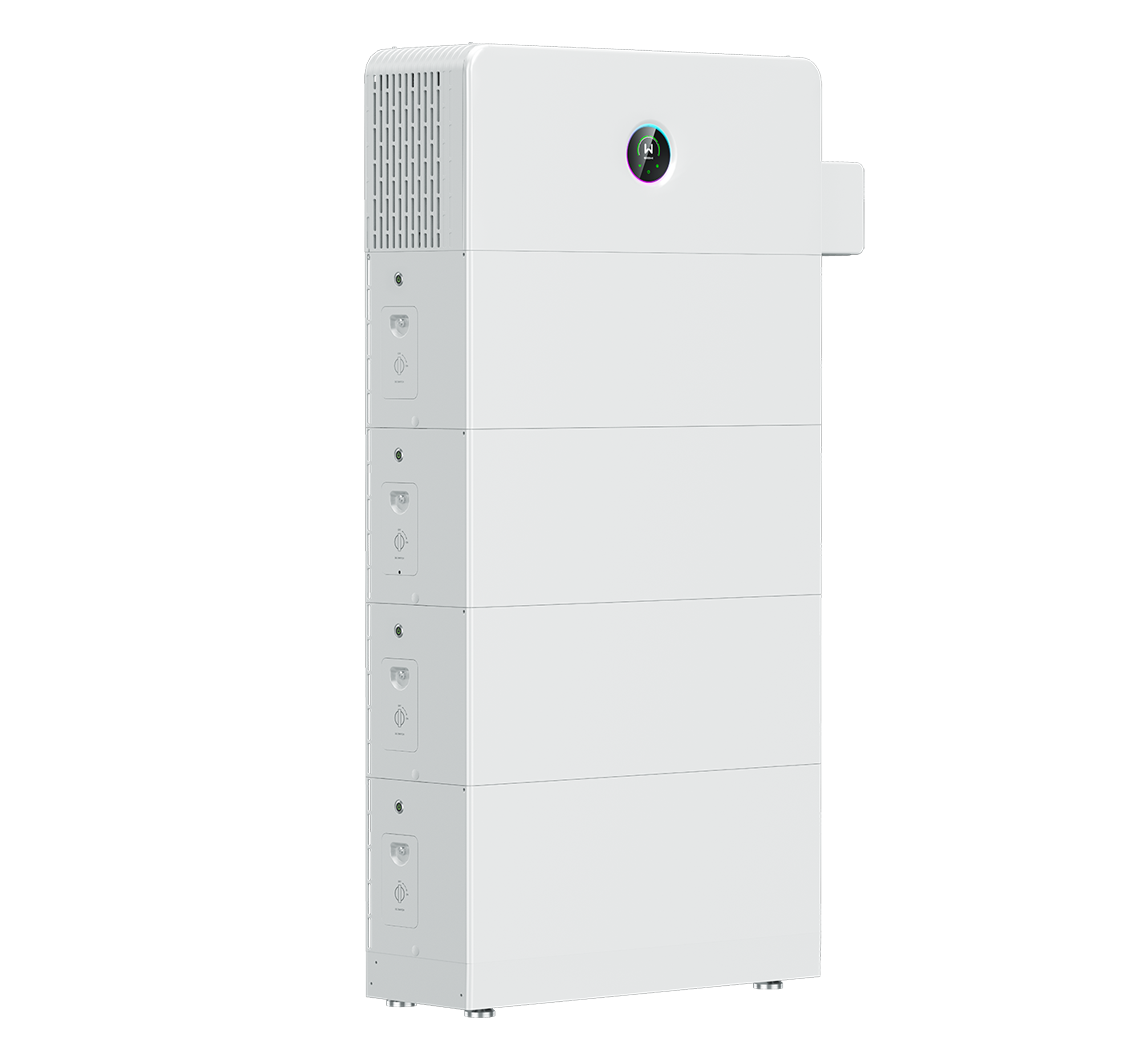
The hybrid inverter, battery and EMS are integrated into one modular unit, which streamlines installation and accelerates commissioning compared with separately sourced components.

Solar Battery·GoodWe
The GoodWe ESA Series is a three-phase, all-in-one home energy storage system that brings the hybrid inverter, LFP battery and an intelligent energy management system (EMS) together in a single, factory pre-wired unit. Because the inverter and battery are integrated rather than bolted together from separate brands, installation is faster, the finished result is tidier, and there are fewer points of failure over the life of the system.
It is built for Australian households that want serious storage capacity and dependable whole-home backup. The system is fully modular: you can start with a single battery module and expand to as much as 108 kWh, even mixing different module sizes or adding to an existing stack later. An AI-driven EMS continuously shifts your energy use toward the cheapest tariff periods, so you get more financial value out of every kilowatt-hour the battery stores.
This page explains what the GoodWe ESA Series is, who it suits, every key specification, what those numbers actually mean for your home, and the technical terms behind them — so you can make a confident, informed decision before you request a quote from Sunbridge Energy.
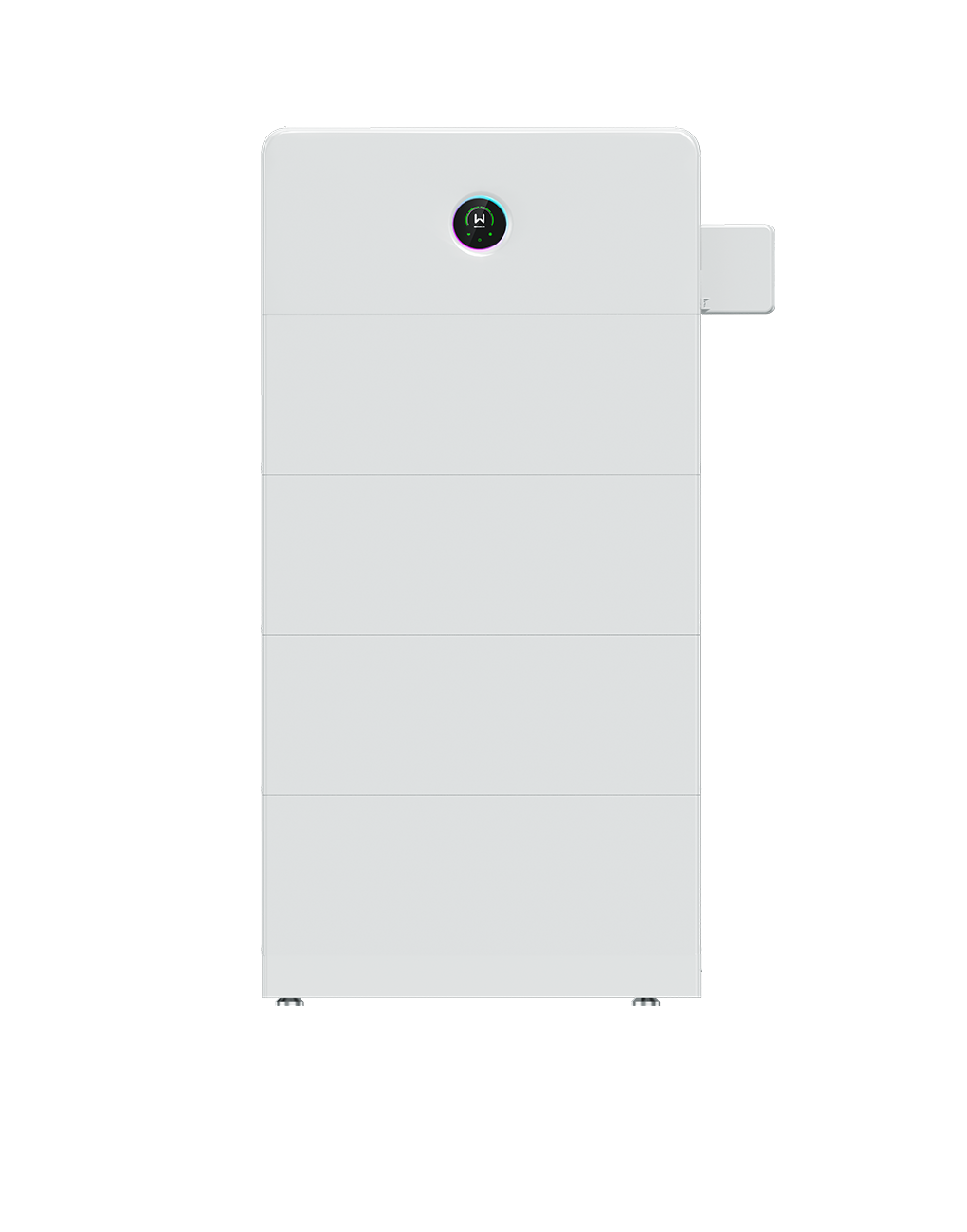
The hybrid inverter, battery and EMS are integrated into one modular unit, which streamlines installation and accelerates commissioning compared with separately sourced components.
Choose 5, 6, 8 or 9 kWh battery modules and stack up to 12 of them for a total of 108 kWh — and you can mix different capacities or pair old and new modules in the same system.
A dual-port design with a 63 A internal bypass supports whole-home backup and switches to battery power in less than 4 milliseconds when the grid drops, so sensitive devices keep running.
Both the inverter and battery modules carry an IP66 rating for outdoor installation, with an inverter operating range of −35 °C to +60 °C, operation up to 4,000 m altitude, and a battery heating mode for cold mornings.
LFP battery modules are rated for a cycle life of at least 8,000 cycles, and up to 10,000 cycles on selected modules. At roughly one cycle a day, that is well over two decades of daily cycling.
An AI-driven EMS automatically optimises charging and discharging against your tariff, and the system is ready for Virtual Power Plant (VPP) participation where available.
Households with high consumption — ducted air conditioning, induction cooking, pool pumps or hot-water systems — that need substantial usable capacity to cover the evening peak and overnight.
Homes wired for three-phase power (common in larger or newer Australian builds) that need a battery system designed for three-phase from the ground up, with balanced backup across all phases.
Properties in storm-prone or bushfire-prone areas, or anyone running medical equipment, a home office or a home network they cannot afford to lose during an outage.
Households chasing energy independence who want to store as much daytime solar as possible and lean on the grid as little as possible — up to and including off-grid operation.
Homes adding an electric vehicle, where evening charging would otherwise push expensive grid demand, can charge from stored solar instead.
Anyone who wants to start with a sensible capacity now and add more battery modules later as their needs — or their family — grow.
Specifications are based on the GoodWe ESA Series 5–30 kW three-phase datasheet. Exact figures depend on the chosen configuration and battery modules; Sunbridge will confirm the right setup and final specifications for your home.
Lithium iron phosphate is the safest mainstream battery chemistry, with excellent thermal stability and a long cycle life. It is the standard choice for safety-conscious home storage and is far less prone to thermal runaway than older lithium chemistries.
Depth of discharge (DoD) is how much of the battery you can actually use. At 98% DoD you can draw almost the entire battery — for example about 5.0 kWh of usable energy from each 5.12 kWh module. These usable-capacity figures are confirmed on both the GoodWe Australian datasheet and the Clean Energy Council (CEC) Approved Batteries list.
One cycle is roughly one full charge and discharge — about a day of normal use. At 8,000 or more cycles, and up to 10,000 on selected modules, the battery is engineered to keep performing for well over two decades of daily cycling.
That is a very large amount of storage — enough to carry most homes through the evening peak and overnight, ride through extended outages, or move a household largely off-grid.
When the grid drops, the change-over to battery power is so fast that your lights, fridge, modem and computers will not even notice — far quicker than a typical generator changeover.
You can connect roughly twice as much solar as the inverter’s rating. That captures more energy in early morning, late afternoon and cloudy conditions, and fills the battery faster.
The battery can charge or discharge close to its full capacity in about an hour, so it keeps up with high household demand and fast solar charging instead of becoming a bottleneck.
Rated for full outdoor installation — completely dust-tight and protected against powerful water jets — so it can be mounted on an external wall without a weatherproof enclosure.
Many home batteries only back up a handful of “essential” circuits. The GoodWe ESA Series uses a dual-port design with a 63 A internal bypass, which is engineered to back up the whole home rather than just a few selected loads (subject to your switchboard and load profile).
When the grid fails, the system switches to battery power in under 4 milliseconds. That is fast enough that even sensitive electronics — computers, modems, medical devices — keep running without rebooting. The ESA Series also supports both on-grid and off-grid parallel operation, so it can scale from backup duty all the way to running a home off-grid.
Safety in a home battery comes from the chemistry, the electronics and the certification behind it. The ESA Series uses LFP (lithium iron phosphate) cells — the most thermally stable mainstream lithium chemistry — combined with 6-layer safety protection and AFCI 3.0 (Arc-Fault Circuit Interrupter), which detects dangerous electrical arcs and shuts the circuit down before they can start a fire.
The system carries Type II surge protection on both AC and DC sides and is certified to international battery and inverter standards including IEC62619, IEC63056, EN62477 and IEC62040, with CE and RCM marks. RCM is the Australian Regulatory Compliance Mark, which signals the product meets the relevant electrical safety and EMC requirements for sale in Australia.
A battery only saves you money if it charges and discharges at the right times. The ESA Series includes an AI-driven EMS (Energy Management System) that learns your usage and your tariff, then automatically stores cheap or self-generated solar energy and discharges it during expensive peak periods.
You can monitor and control everything through GoodWe’s SolarGo app and SEMS+ portal, with real-time visibility of generation, storage, consumption and savings. The system communicates over Wi-Fi, LAN, Bluetooth or optional 4G, and is ready for Virtual Power Plant (VPP) programs where available — letting you earn by sharing stored energy back to the grid at high-value times.
Australian installations face heat, dust, salt air and the occasional cold snap. Both the inverter and battery modules are rated IP66 for full outdoor mounting, the inverter operates from −35 °C to +60 °C, and the system works at altitudes up to 4,000 m. A battery heating mode keeps performance reliable through cold mornings.
With a cycle life of at least 8,000 cycles — and up to 10,000 on selected modules — the ESA Series is designed to keep delivering its usable capacity every day for many years. At roughly one cycle a day, 8,000 cycles is more than two decades of daily use.
Shopping for a home battery means wading through technical jargon. Here is what the most important terms on this page actually mean.
A kilowatt (kW) measures power — how much the system can deliver at any instant. A kilowatt-hour (kWh) measures energy — how much it can store or deliver over time. A 10 kW / 20 kWh system can push 10 kW and hold 20 kWh, roughly enough to run a 10 kW load for two hours.
Lithium iron phosphate, a lithium battery chemistry prized for thermal stability, safety and long cycle life. It is the preferred chemistry for residential storage.
A hybrid inverter manages solar panels, battery and the grid in one device. An all-in-one Energy Storage System (ESS) goes further by integrating the battery into the same pre-wired unit.
The “brain” that decides when to charge, store and discharge energy based on your solar, your usage and your electricity tariff, to maximise savings.
How much of a battery’s capacity you can safely use. 100% DoD means the full rated capacity is usable, with no reserve held back.
The number of full charge-and-discharge cycles a battery can perform while staying within its warranty performance. Roughly one cycle per day of normal use.
The share of energy you get back out of the battery compared with what you put in. Higher efficiency means less energy is lost as heat during storage.
How fast a battery charges or discharges relative to its capacity. 1C means it can charge or discharge its full capacity in about one hour.
Connecting more solar panel capacity (DC) than the inverter’s rated output. It captures more energy in low-light conditions and charges the battery faster, at the cost of “clipping” a little at peak sun.
Maximum Power Point Tracking — the circuitry that constantly tunes each solar string to extract the most power. More MPPTs allow panels on different roof faces to perform independently.
Arc-Fault Circuit Interrupter — a safety system that detects dangerous electrical arcing in the DC wiring and shuts the circuit down to prevent fires.
A safety function that stops the system feeding power into the grid during an outage, protecting line workers. Backup power is instead routed safely to your home only.
Single-phase supply has one active wire and suits most smaller homes; three-phase has three and suits larger or all-electric homes with heavier loads. The battery must match your supply type.
A network of home batteries an energy provider can call on at peak times. Joining a VPP can earn you payments or credits for sharing stored energy back to the grid.
An Ingress Protection rating. The first digit is dust protection (6 = dust-tight), the second is water protection (6 = protected against powerful water jets). IP66 equipment can be installed outdoors.
Rated capacity is the battery’s total energy on paper; usable capacity is what you can actually draw after the reserve and DoD limits. Always compare batteries on usable kWh.
Home battery storage can be eligible for government rebates and incentives, which change over time and vary by state and by household. A well-chosen, correctly sized GoodWe ESA system — paired with the right rebate — can meaningfully shorten your payback period.
Sunbridge handles rebate guidance as part of the quote process: we check current eligibility, factor available incentives into your system design, and show you the expected payback based on your actual usage. See our battery rebate guidance for more, and we will confirm what applies to your address when you request a quote.
Read our battery rebate guidance →
Sunbridge designs every GoodWe ESA system around your home rather than selling a one-size-fits-all package. We start by analysing your electricity bills and smart-meter usage data to understand exactly how and when you use power, then size the battery and inverter to match.
Installation is carried out by accredited installers to Australian standards, including switchboard and backup configuration, commissioning and testing, and a full handover so you know how to use the SolarGo app. We also provide ongoing support and monitoring for the life of the system.
The GoodWe ESA Series battery modules (GW5.1-BAT-D-G21 and GW8.3-BAT-D-G21) are covered by GoodWe’s Limited Warranty for the BAT Series, which has two parts.
A 10-year product warranty covers the hardware — the electronics and the enclosure — against defects for ten years from the warranty start date.
A 10-year performance warranty guarantees that, over those ten years, the battery retains at least 70% of its usable energy, or until it reaches its minimum guaranteed energy throughput — whichever comes first. That throughput is set at 3 MWh of DC energy for every kWh of usable battery capacity, based on the equivalent of one full cycle per day. Capacity expansion is supported, so further modules can be added over time.
These are the manufacturer’s terms; your guarantees under the Australian Consumer Law apply in addition. Sunbridge confirms the warranty terms that apply to your configuration and registers the warranty on your behalf as part of the installation.
The ESA Series is modular. You can start with a single 5–9 kWh battery module and expand to 12 modules for a total of 108 kWh, mixing module sizes as your needs grow.
Yes. Its dual-port design with a 63 A internal bypass supports whole-home backup and switches to battery power in under 4 milliseconds during a grid outage, subject to your switchboard and load profile.
It uses LFP (lithium iron phosphate / LiFePO₄), the most thermally stable mainstream lithium chemistry. It is backed by 6-layer safety protection, AFCI 3.0 arc-fault detection and international safety certifications including IEC62619 and IEC63056, plus the Australian RCM mark.
This ESA model is a three-phase system rated 5–30 kW. GoodWe also makes single-phase ESA variants — Sunbridge can recommend the right one for your switchboard and energy needs.
Yes. It supports both on-grid and off-grid parallel operation, and can be configured for whole-home backup or full off-grid use.
It can be, depending on current government incentives and your state and household circumstances. Sunbridge checks eligibility and factors any available rebate into your quote and payback estimate.
In most cases, yes. As a hybrid all-in-one system it can integrate with existing solar; Sunbridge will assess your current setup and recommend the best configuration during the design stage.
Through GoodWe’s SolarGo app and SEMS+ portal, which show real-time generation, storage, consumption and savings. The system connects via Wi-Fi, LAN, Bluetooth or optional 4G.
Yes. Both the inverter and battery modules are rated IP66 — dust-tight and protected against powerful water jets — and the inverter operates from −35 °C to +60 °C, so it is suitable for outdoor wall mounting.
The LFP modules are rated for a cycle life of at least 8,000 cycles, and up to 10,000 cycles on selected modules. At roughly one cycle per day that is well over two decades of daily cycling, and the system is covered by GoodWe’s 10-year product and 10-year performance warranties.
The ESA battery modules carry a 10-year product warranty (hardware and enclosure) and a 10-year performance warranty that guarantees at least 70% of usable energy is retained over ten years, or a minimum energy throughput of 3 MWh per kWh of usable capacity — whichever comes first. Your Australian Consumer Law guarantees also apply.
No. It uses smart fan cooling with operating noise as low as 30 dB, quieter than a typical library, so it is unobtrusive even when installed near living areas.
Talk to Sunbridge Energy about design, installation and a quote tailored to your home.