100% depth of discharge
The OCEAN 2 LFP battery delivers a full 100% depth of discharge, so the rated capacity is the usable capacity — you use everything you pay for.

Solar Battery·EcoFlow
The EcoFlow OCEAN 2 Three-phase is the next generation of EcoFlow’s home energy storage — an all-in-one, stackable three-phase system built around the new OCEAN 2 LFP battery. It is designed for higher performance, smarter whole-home energy control and faster installation than the previous generation.
Built for three-phase Australian homes, OCEAN 2 pairs a 6–12 kW hybrid inverter with stackable 5 kWh battery packs that deliver a full 100% depth of discharge and are rated for over 10,000 charge cycles. You can scale up to 12 battery packs on a single inverter and cascade multiple inverters for larger homes, while integrated whole-home backup keeps the house running through outages.
This page explains what the OCEAN 2 Three-phase is, who it suits, every key specification, what those numbers mean for your home, and the technical terms behind them, so you can decide with confidence before requesting a quote from Sunbridge Energy.
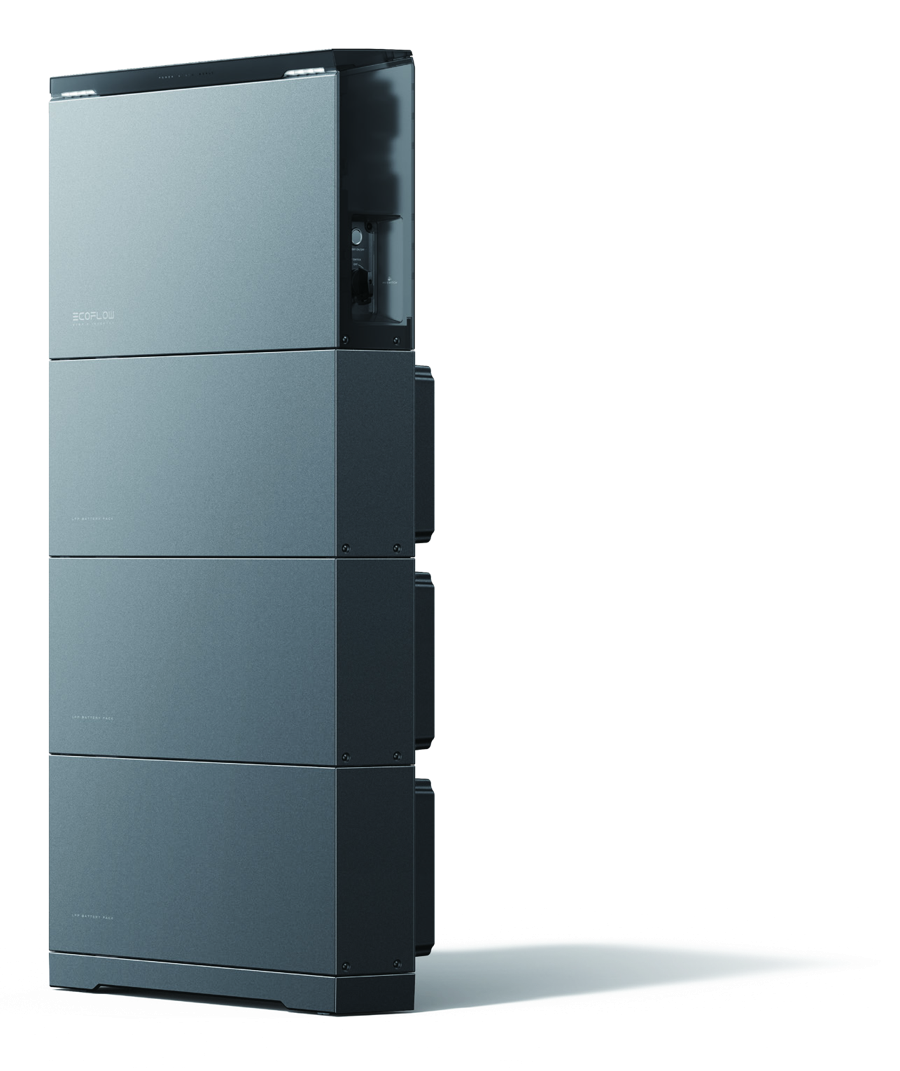
The OCEAN 2 LFP battery delivers a full 100% depth of discharge, so the rated capacity is the usable capacity — you use everything you pay for.
The all-new OCEAN 2 LFP packs are built for over 10,000 charge cycles, for consistent performance across daily use and long-term energy planning.
A 63 A bypass and 100% unbalanced-load support mean the system can back up the whole home — including three-phase appliances — during an outage.
Three independent MPPTs and a 120 V low start-up voltage support up to 24 kW of solar across complex rooftops, generating earlier in the day.
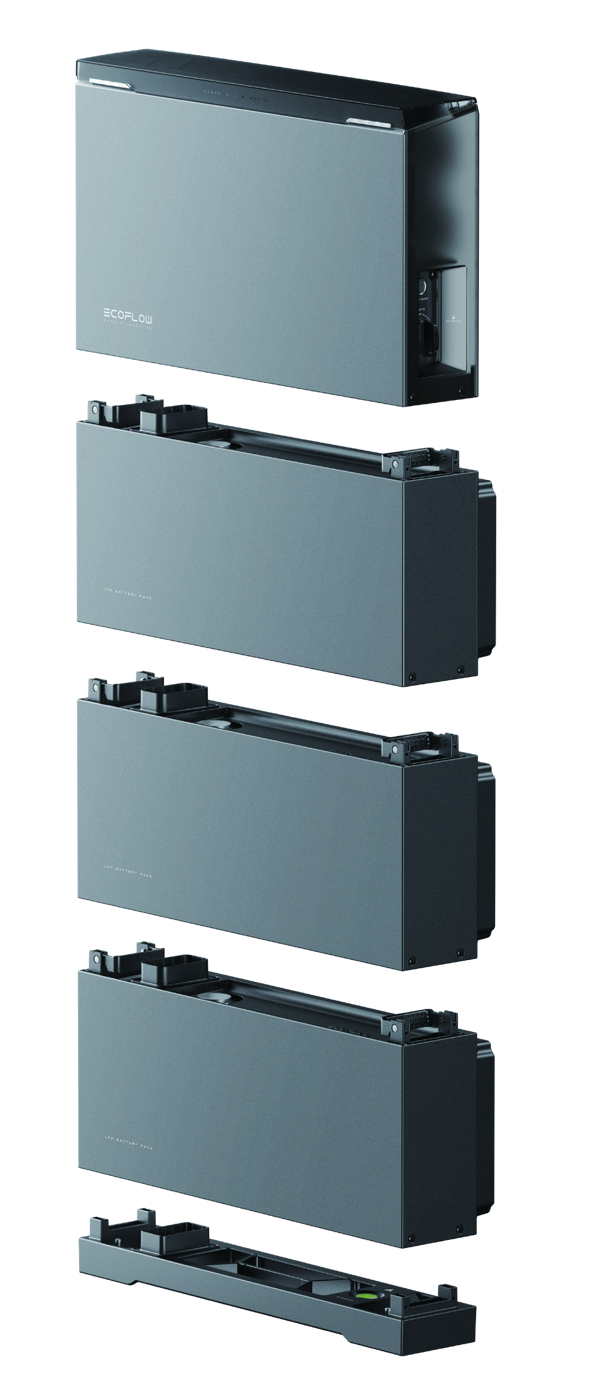
Stack up to 12 battery packs on a single inverter (up to 6 floor-mounted or 3 wall-mounted per stack) and cascade inverters for larger homes.
Backed by a 15-year warranty and rated IP66 for outdoor installation, OCEAN 2 is built for long, reliable service in Australian conditions.
Larger or all-electric three-phase homes that want EcoFlow’s newest battery, with 100% usable capacity and a 10,000-cycle rating.
Households that want every kilowatt-hour they pay for — the OCEAN 2 battery offers a full 100% depth of discharge, so the rated capacity is the usable capacity.
Homes that want integrated whole-home backup with a 63 A bypass and support for 100% unbalanced loads during an outage.
Properties with multiple roof faces or large solar systems — three independent MPPTs and up to 24 kW PV input make the most of complex layouts.
Households that want to start with a few packs and scale up to 12 packs per inverter, or cascade inverters, as their needs grow.
Buyers focused on lifespan and resilience who value a 10,000-cycle LFP battery and a 15-year warranty.
Specifications are based on the EcoFlow OCEAN 2 (Three-phase) datasheet and EcoFlow product documentation for Australia. Exact figures depend on the chosen configuration; Sunbridge will confirm the right setup for your home.
Depth of discharge (DoD) is how much of the battery you can use. At 100% DoD the rated capacity is the usable capacity — there is no reserve held back, so you get the most usable energy for what you pay.
One cycle is roughly one full charge and discharge — about a day of use. At over 10,000 cycles, the OCEAN 2 battery is built for decades of daily cycling, well beyond the previous generation’s rating.
Each MPPT optimises a separate group of panels, so arrays on different roof faces or with different shading can each perform at their best — ideal for complex Australian rooftops.
In a three-phase home the phases rarely draw equal power. Full unbalanced-load support means the system can back up appliances even when the load across the three phases is uneven.
You can connect a large solar array, capturing more energy across the day and charging the battery faster — useful for high-consumption or all-electric homes.
The inverter begins generating at a low solar voltage, so it starts harvesting energy earlier in the morning and later into the evening than systems with a higher start-up threshold.
The headline advantage of the OCEAN 2 LFP battery is a full 100% depth of discharge. Many batteries hold back a reserve, so their usable capacity is less than their rated capacity. With OCEAN 2, the rated capacity is the usable capacity — every kilowatt-hour you buy is a kilowatt-hour you can use.
Each 5 kWh pack delivers up to 3.4 kW of discharge power, and you can stack up to 12 packs on a single inverter, then cascade inverters for larger homes — so the system scales from a starter battery to whole-home, long-duration storage.
The all-new OCEAN 2 LFP packs are rated for over 10,000 charge cycles — well beyond the previous generation — for consistent storage performance across both daily use and long-term energy planning. LFP chemistry is the most thermally stable mainstream lithium chemistry and the standard choice for safe home storage.
Integrated whole-home backup with a 63 A bypass and 100% unbalanced-load support keeps the home running during outages, and the IP66 rating with a −20 °C to +55 °C operating range suits outdoor installation in Australian conditions.
OCEAN 2 supports up to 24 kW of PV input across three independent MPPTs, so panels on different roof faces or with different shading can each perform at their best. A 120 V low start-up voltage means the system begins generating earlier in the day, squeezing more out of your solar.
Combined with the EcoFlow app for real-time monitoring and smart control, the system is designed to maximise self-consumption and value from every kilowatt-hour.
Shopping for a home battery means wading through technical jargon. Here is what the most important terms on this page actually mean.
A kilowatt (kW) measures power — how much the system can deliver at any instant. A kilowatt-hour (kWh) measures energy — how much it can store or deliver over time. A 10 kW / 20 kWh system can push 10 kW and hold 20 kWh, roughly enough to run a 10 kW load for two hours.
Lithium iron phosphate, a lithium battery chemistry prized for thermal stability, safety and long cycle life. It is the preferred chemistry for residential storage.
A single inverter that manages solar panels, the battery and the grid together, rather than needing separate solar and battery inverters.
A battery built from many cells in series to reach a high system voltage (often 400–800 V). Higher voltage means lower current for the same power, which reduces losses and can improve efficiency.
How much of a battery’s capacity you can safely use. 95% DoD means 95% of the rated capacity is usable; 100% means all of it.
Nominal capacity is the battery’s total energy on paper; usable capacity is what you can actually draw after the DoD limit. Always compare batteries on usable kWh.
The number of full charge-and-discharge cycles a battery can perform while staying within its warranty performance. Roughly one cycle per day of normal use.
The share of energy you get back out of the battery compared with what you put in. Higher efficiency means less energy lost as heat during storage.
How fast a battery charges or discharges relative to its capacity. 1C means it can charge or discharge its full capacity in about one hour.
Maximum Power Point Tracking — circuitry that constantly tunes each solar string to extract the most power. More MPPTs let panels on different roof faces perform independently.
Single-phase supply has one active wire and suits most smaller homes; three-phase has three and suits larger or all-electric homes with heavier loads. The battery must match your supply type.
In a three-phase home, when the three phases draw different amounts of power. A system that supports unbalanced loads can back up appliances even when the phases are uneven.
Backup power runs your home during a grid outage. Anti-islanding is the safety function that stops the system feeding the grid during an outage, protecting line workers.
A network of home batteries an energy provider can call on at peak times. Joining a VPP can earn you payments or credits for sharing stored energy back to the grid.
An Ingress Protection rating. The first digit is dust protection (6 = dust-tight), the second is water protection. An IP65/IP66 unit can be installed outdoors.
Home battery storage can be eligible for government rebates and incentives, which change over time and vary by state and household. A correctly sized OCEAN 2 system — paired with the right rebate — can meaningfully shorten your payback period.
Sunbridge handles rebate guidance as part of the quote process: we check current eligibility, factor available incentives into your system design, and show you the expected payback based on your actual usage. See our battery rebate guidance for more, and we will confirm what applies to your address when you request a quote.
Read our battery rebate guidance →
Sunbridge designs every OCEAN 2 system around your home rather than selling a fixed package. We start by analysing your electricity bills and smart-meter usage data to understand how and when you use power, then size the battery and inverter — and plan your stacking and expansion path — to match.
Installation is carried out by accredited installers to Australian standards, including switchboard and backup configuration, commissioning and testing, and a full handover so you know how to use the EcoFlow app. We also provide ongoing support and monitoring for the life of the system.
The EcoFlow OCEAN 2 Three-phase is backed by a 15-year warranty, covering both the hybrid inverter and the OCEAN 2 LFP battery packs, issued for the Australia and New Zealand market.
The OCEAN 2 LFP battery is rated for over 10,000 charge cycles, reflecting its long expected service life. Sunbridge confirms the current warranty terms — including the capacity-retention and throughput conditions — that apply to your configuration, and registers the warranty on your behalf.
These are the manufacturer’s terms; your guarantees under the Australian Consumer Law apply in addition.
The OCEAN 2 LFP battery offers a full 100% depth of discharge, so the rated capacity is the usable capacity — about 5 kWh usable per pack.
Up to 12 battery packs on a single inverter (up to 6 floor-mounted or 3 wall-mounted per stack), and you can cascade up to 5 inverters on-grid for larger homes.
The all-new OCEAN 2 LFP packs are rated for over 10,000 charge cycles — well beyond the previous generation — and are backed by a 15-year warranty.
This model is a three-phase hybrid system available in 6, 8, 10 and 12 kW. EcoFlow also makes single-phase OCEAN 2 variants — Sunbridge can recommend the right one for your supply.
Yes. It provides integrated whole-home backup with a 63 A bypass and supports 100% unbalanced loads, so it can run substantial parts of the home — including three-phase appliances — during an outage.
Up to 24 kW of PV input across three independent MPPTs, with a 120 V low start-up voltage so the system generates earlier in the day. This suits large arrays and complex rooftops.
LFP (lithium iron phosphate / LiFePO₄), the most thermally stable mainstream lithium chemistry, in an IP66 outdoor-rated enclosure.
It can be, depending on current government incentives and your state and household circumstances. Sunbridge checks eligibility and factors any available rebate into your quote and payback estimate.
Yes. The system is rated IP66 and operates from −20 °C to +55 °C at altitudes up to 3,000 m, so it is suitable for outdoor installation in Australian conditions.
OCEAN 2 is the newer generation: its battery offers a full 100% depth of discharge and is rated for 10,000+ cycles (versus 95% DoD and 6,000+ cycles on PowerOcean), with up to 24 kW PV input and three MPPTs. Sunbridge can help you choose between them.
Talk to Sunbridge Energy about design, installation and a quote tailored to your home.